Author: yachnaa

  • Book Review: Mother Mary Comes to Me

    Book Review: Mother Mary Comes to Me

    This is my first book by Arundhati Roy… and I have to say, I was speechless. I remember staying up late into the night devouring it, falling completely in love – not all at once, but slowly and surely.

    The book both begins and ends with her mother’s death at the age of 89, bringing the memoir full circle. In between, Roy tells the story of how she became the writer, activist, and woman she is shaped partly by circumstance, but largely by her complex and often dreadful relationship with her mother.

    Now, let’s talk about Mary Roy. An icon.

    After being thrown out of her family home, she arrived in Kottayam and began her own school in a space that once hosted Rotary Club meetings. She transformed that humble beginning into a thriving, respected institution.

    Despite her domineering presence, I found myself admiring and deeply respecting Mary Roy for being the trailblazer during the time women were expected to be accept things their fate in silence. No complaints or demands.

    She was an intimidating feminist and an inspiring educator who transformed countless lives of people in Kerala. How you ask? When forcefully evicted from her own father’s house, she took matters in her own hands and challenged the law in the supreme court. She won. As a result, Syrian Christian women were granted equal inheritance rights under the Indian Succession Act of 1925. That victory alone cements her legacy.

    But now, let’s talk about Mary Roy — the mother.

    We are conditioned to believe that mothers are warm, safe havens. This book bluntly dismantles that stereotype. Roy refers to her not as “mother,” but as “Mrs. Roy.” That choice alone reveals the emotional distance between them.

    As the memoir progresses, we see Roy intentionally build both physical and emotional distance from her mother’s overpowering presence. The separation feels necessary even inevitable.

    Before reading this book, I wasn’t fully aware of Roy’s political activism, and I found myself deeply impressed by her fearlessness and her willingness to call a spade a spade. There is a raw honesty in this memoir that took me by surprise. Despite the delicate and deeply personal subject matter, Roy tells her mother’s story without nastiness or bitterness. There is no finger-pointing, no victim narrative but neither is there any varnishing of facts. keeps Her tone is mostly neutral, focusing not on complaining or whining about her lot in life but on the life lessons gained from being her mother’s daughter.

    I remember telling a friend while reading this that there is a remarkable level of stoicism and maturity in the way this book handles the subject of toxic parenting.

    I also felt profound empathy for Mary Roy. Her marriage to an alcoholic “nothing man” as she refers her ex husband, her admission that she had not wanted children, and the immense pressures she faced, the book does not excuse her shortcomings, but it gives us a context as to why she was an emotionally unavailable mother. It offers a sobering portrayal of what forced motherhood can look like. We cannot expect softness and warmth from someone living a life they never chose.

    The memoir spans Roy’s entire life. From her childhood in Ooty with her mother and brother, to the dizzying heights of being catapulted to global fame with The God of Small Things, to the humiliations of being shamed in court and serving a one-day prison sentence for simply speaking her mind.

    The writing is lush and immersive. At times, I felt as though I were right beside her — a little girl in Ooty, and later, a woman saying her final goodbye to her mother.

    So buckle up. This memoir will take you on an emotional rollercoaster and it will linger with you long after you’ve turned the last page.

    Rating: 5/5.

    xo

    Yachna


    P.S. 9 timeless lessons from The Little Prince, and what’s the most beautiful thing you’ve ever read?

  • The Burden of Being Too Beautiful

    The Burden of Being Too Beautiful

    Malena has been on my watch list for the longest time, and I finally got around to watching it recently. Within minutes, I knew I had to write about it. Not as a typical review, but as an exploration of women’s relationship with the male gaze and female jealousy, both seen through the haunting figure of Malena.

    The opening scene sets the tone for everything that follows. Teenage boys are gathered across the street from her home, restless, waiting for her to step outside. And when she finally does, the world stands still.

    Her beauty is undeniable, magnetic, almost unreal. We watch her through the eyes of these boys, mainly Renato, whose fascination with her defines the story. From the start, Malena depicts how the female body is consumed through the eyes of men.

    Renato follows her, spies on her through windows, fantasizes about her. And here’s the brilliant cruelty of the film: we barely hear Malena speak. We don’t know her thoughts, her emotions, or her fears. She exists in silence. Always seen, never truly known. As an audience, we too become voyeurs, uninvited yet unable to look away.

    After finishing the movie, I couldn’t stop thinking about her silence. That absence of voice is the point. It’s what makes the movie so powerful  and so painfully real.

    Her silence isn’t just personal; it becomes the town’s obsession. Because when a woman doesn’t explain herself, people will write her story for her. And that’s exactly what happens in Malena.

    In this small Sicilian town, everyone is captivated by her. Men — married, old, young — want her, fantasize about her, project their desires onto her. They create stories, spin rumors, rewrite her life through their fantasies.

    And then there are the women. The jealous ones. The cruel ones. The ones who hate her not for what she’s done, but for what she is. They resent her beauty because it reminds them of their own lack of the power they don’t have, the attention they’ll never receive.

    The result is a town intoxicated by one woman’s existence. The men lust and the women loathe. And Malena, caught between both, becomes a symbol of everything fragile and vicious about human nature.

    There’s a scene that still makes me flinch. The public beating and shaming of Malena. I had to pause and skip parts of it. It’s one of those scenes that stays with you, not because of shock value, but because of what it reveals: how far people will go when driven by envy and repression. The horror of seeing a woman stripped, humiliated, and degraded in front of a crowd. It’s not just a movie scene. It’s history. It’s reality. It’s every time beauty becomes a threat.

    Beauty can be both a gift and a burden. It opens doors but also isolates you. For Malena, her beauty became her prison. It separated her from the world, making her both worshipped and despised.

    As the film progresses, her beauty, once her silent power becomes her downfall. The same face that enchanted the town becomes the reason she’s cast out of it. The movie critiques not just sexism, but the way envy and desire coexist in the same glance. Malena was seen, but never known.

    I can’t talk about Malena without diving into the horror of the male gaze. We watch the entire movie through it and that in itself is deeply uncomfortable. From the first scene, we’re forced to look at her the way men do.

    There were moments when I caught myself watching her like they did and it disgusted me. I paused the movie several times just to sit with that realization. The female gaze doesn’t really exist. We as women, are programmed from childhood to perform for the male gaze. From the way we dress, how we walk, how we smile is shaped by this invisible audience. And it fucking sickens me.

    In the movie, the men want to own her beauty. They don’t care about her pain or loneliness; she’s an object to be had, a prize to be won. Never a person. Never someone with a heartbeat and a soul.

    After the credits rolled, I sat for a long time thinking about how impossible it feels to escape the male gaze. Women are spectacles: constantly watched, constantly judged. And, it’s so internalized that even we start to see ourselves through it.

    For the past few months, I’ve been living in India and I feel this every single day. Here, I don’t dress to express myself; I dress to avoid being looked at. My goal when I leave the house isn’t to feel beautiful. It’s to not be stared at, followed, or made uncomfortable.

    India is a male-gaze-centric society. Things have progressed in some ways, but more or less they remain the same. Men still feel entitled to comment on women’s bodies, to claim ownership of our existence, the same way the men in Malena did. That silent entitlement is what makes the male gaze so insidious, it hides in everyday interactions, in how women learn to shrink, cover, and disappear.

    The male gaze isn’t just cinematic. It’s everyday life. It’s the little things women do to be acceptable, desirable, and safe. It’s the checklist we grow up learning:

    Be sexy, but not too much.
    Be kind, but not naive.
    Be confident, but never intimidating.
    Be smart, but not smarter than your man.
    Have curves, but not a belly.
    Show skin, but not too much of it.

    Women are always performing even when they don’t realize it. And I keep asking myself: why do we always have to perform? Why can’t we just exist?

    The more I thought about it, the more I realized: maybe the female gaze doesn’t exist at all. Maybe it’s just women trying to reclaim something that was never really ours to begin with.

    There’s a quote by John Berger in Ways of Seeing that captures it perfectly:

    “A woman must continually watch herself… Men act and women appear. Men look at women. Women watch themselves being looked at… Thus she turns herself into an object — and most particularly an object of vision: a sight.”

    And that, to me, is Malena.
    A woman who is only ever seen.
    A woman whose silence echoes louder than any words.
    A woman whose beauty became both her weapon and her wound.

    xo

    Yachna


    I’d love to know what you think. Have you watched Malena? Did it hit you the same way? Do you ever think about how the male gaze quietly shapes the way we exist even when we think we’re being ourselves? Comment your thoughts below.

  • Book Review: The Palace Of Illusions

    Book Review: The Palace Of Illusions

    Hi! What are you reading these days?


    I recently finished The Palace of Illusions by Chitra Banerjee Divakaruni, and I was instantly hooked. This reimagining of the Mahabharata, told through Draupadi’s voice, is a powerful, intimate exploration of what it means to be a woman born into a world ruled by men.

    In today’s post we take a deep dive into this remarkable story about a woman born into a man’s world. I’m also experimenting with a new way of writing book reviews in a Q&A format. Think of it as a conversation with the book rather than a traditional critique.

    I’d love to know what you think of this style as you read along.


    General Impressions

    What drew you to Palace of Illusions in the first place?
    Every time I visit India, I find myself drawn to Indian literature because I refuse to see everything from a Western point of view. I picked this book up from a roadside stall, and as soon as I read the little summary on the back, I knew I wanted to read it, especially when I saw it was written from Panchali’s point of view. No questions asked. For those of you who don’t know, The Palace of Illusions is a feminist retelling of the Mahabharata told in Draupadi’s voice.

    How did you feel right after finishing the book?
    Honestly? I was really sad and a bit gloomy while reading the last few pages. Of course, I knew in advance how it would end, but I still couldn’t help feeling heartbroken for pretty much all the characters.

    What one word would you use to describe the overall reading experience?
    If I had to sum it up in one word: sublime.


    Story & Themes

    What part of Draupadi’s story resonated with you the most?
    Since the very first page, I was hooked. From the moment Panchaali was born into her father’s home and reluctantly accepted because she was a girl. I loved how even as a young girl she had such strong, confident opinions and stood up for herself, especially during the time when women were not allowed to have a voice and were basically treated as property.

    For instance: I related to her childhood dream of having her own palace, a place that reflected her inner world. Quoting her from the book:

    “When I had my own palace, I promised myself, it would be totally different. I closed my eyes and imagined a riot of color and sound, birds singing in mango and custard apple orchards, butterflies flitting among jasmines, and in the midst of it—but I could imagine yet the shape that my future home would take. Would it be elegant as crystal? Solidly precious, like a jewel-studded goblet? Delicate and intricate, like gold filigree? I only knew that it would mirror my deepest being, there I would finally be at home.”

    Can you imagine being that young and already knowing exactly what you want in life? I found that so inspiring and oh so relatable.

    Her bond with her brother Dhri was one of the many things that stayed with me. He was her trusted friend in an otherwise lonely palace. I felt her ache when she was denied an education because it wasn’t “princess vibes.” Her rebellion burned quietly but powerfully in every page.

    “King Drupad had balked at the thought of me studying with my brother. A girl being taught what a boy was supposed to learn? Such a thing never been heard of in the royal family…Even Dhai Ma, my accomplice in so many other areas of my life, regarded the lessons with misgiving. She explained that they were making me too hardheaded and argumentative, too manlike in my speech.”

    Reading this, I could feel her frustration. It made me think of how many women across time and even today are denied education. Their curiosity and brilliance are treated as the biggest threat to society.

    And then, of course, her marriage to the five brothers. Honestly? I was furious. She loved one, but was forced to marry all five. She had no say in the most important decision of her life. She was consistently throughout the book treated as property, no different from cattle or a pawn in a political game. And the infamous Cheerharan scene? Despite having five husbands, not one stood up for her honor. I kept asking myself: what gave them the right to pawn her off in a gambling match? Her rage became my rage. And, I understood why vengeance consumed her.

    What softened this for me was her friendship with Krishna. He was her only true mentor, confidant, and friend. Their bond felt timeless and healing. As she said:

    “When I thought myself abandoned, he was busy supporting me—but so subtly that I often didn’t notice. He loved me even when I behaved in a most unlovable manner. And his love was totally different from every other in my life. Unlike them, it didn’t expect me to behave in a certain way. It didn’t change into displeasure or anger or even hatred if I didn’t comply. It healed me.”

    This quote has since become one of my favourite quotes ever because isn’t this what love is supposed to be?

    Did this retelling change how you see the Mahabharata or its characters?
    In all honesty, I’ve never read or watched the Mahabharata fully, so my knowledge was pretty basic going in. But one thing I found odd was Panchaali’s longing for Karna. Knowing his role in the Cheerharan in real life, it felt strange that the book romanticized that connection knowing that he was one of the perpetrators . It left me a bit conflicted.

    What themes stood out to you—love, destiny, power, feminism, longing, war?
    The theme of destiny really hit me. If everything is pre-written, as the book suggests, are we just vessels carrying out fate? Are we puppets with no say? I’ve always believed destiny is an excuse people use when they give up. I believe in making things happen despite the odds. But in the book, everything unfolded as predicted, making me question just how much power we really have.

    The other theme that stayed with me was war. I’ve always believed war is never a sane answer. The Pandavas “won,” but at what cost? Duryodhan’s last words to Yudhisthir were haunting:

    “I’m going to heaven to enjoy all its pleasures with my friends. You’ll rule a kingdom peopled with widows and orphans and wake each morning to the grief of loss. Who’s the real winner, then, and who the loser?”

    This is the most devastating I’ve read about real implications of war. No winners. Just broken homes, hearts, and families.  


    Character Reflections

    How did you feel about Draupadi’s voice as a narrator?
    Her voice was fresh, confident, and bold. A woman who knows what she wants. Looking at the world  through her eyes felt relatable especially as a woman. When her teacher declared that a woman’s highest purpose was to support men, she fired back: “And who decided that a woman’s highest purpose was to support men?” That line gave me goosebumps. As a modern woman, I could relate so much to her defiance and loneliness in holding views that didn’t match the world around her. Even though the story is set in an ancient time, Panchaali’s voice felt modern and timeless.

    Were there moments when you admired her, felt frustrated with her, or deeply related to her?
    Absolutely. I admired her grace in accepting situations forced upon her, even when she had no say. Like being married to five men or being humiliated in court. I understood her pent up rage when her palace and dignity were gambled away without her consent as if it didn’t matter. I admired her strength, but I also felt her frustration deeply.


    Favorite Quotes

    Throughout the book, I highlighted so many lines that spoke to me. Sharing just a few of my favourite ones:

    • “Wait for a man to avenge your honor, and you’ll wait forever.”
    • “Your childhood hunger is the one that never leaves you. No matter how famous or powerful they became, my husbands would always long to be cherished…”
    • “Love comes like lightning, and disappears the same way.”
    • “A situation in itself is neither happy nor unhappy. It’s only your response to it that causes your sorrow.”
    • “I thought that if lokas existed at all, good women would surely go to one where men were not allowed so that they could be finally free of male demands.”
    • “His love was totally different from every other love in my life…It healed me.”
    • “To see a loved one in pain is more wrenching than to bear that pain yourself.”
    • “What is the most wondrous thing on earth? Each day countless humans enter the Temple of Death, yet the ones left behind continue to live as though they were immortal.”

    Each of these quotes stopped me in my tracks, making me reflect on life, love, and resilience.


    Final Thoughts

    I would highly recommend this book to everyone especially my women, since this is a feminist retelling of the Mahabharata from Panchali’s perspective in a patriarchal society. The book flows beautifully, and I found myself not wanting to put it down once I picked it up. I was so eager to finish, and while reading, I often found myself discussing it with a friend who knows the Mahabharata deeply. He would tell me intriguing stories, which only made me more curious, enchanted, and eager to learn more. This book has actually inspired me to read the original text and even watch the televised series.

    Have you read The Palace of Illusions? What did you think of Draupadi’s story? Or do you have another retelling of the Mahabharata to recommend? I’d love to hear your thoughts.

    xx

    Yachna

  • Begin Again (and again!)

    Begin Again (and again!)

    Happy New Year

    I know it’s been quiet here. Really quiet. So quiet that you might’ve forgotten you ever subscribed to this blog. Honestly? I wouldn’t blame you. I would’ve forgotten too.

    Sometimes, you have to step away from something to remember why you started in the first place. And that’s exactly what this past year has been for me — a long pause, a reckoning, and a lesson in the hardest thing I had to learn:

    How to begin again.
    And again.

    This past year was a rollercoaster — professionally and personally. Big changes. Relocations. Uncertainty about which direction to take. It was overwhelming in ways I didn’t always know how to name. But beneath all of it, one truth stayed consistent: I’ve always known I want to build something of my own.

    When I started this blog back in 2020, I knew — deep in my bones — that I had found my calling. Writing felt like coming home. And for a while, I showed up fully. Until self-doubt crept in, quietly at first, then louder.

    Is anyone even reading this?
    Does anyone care what I have to say?
    What’s the point?

    Those questions consumed me. And so I stopped. Again and again.

    It didn’t help that I wasn’t — and still am not — making money from this blog. I started asking myself the practical, adult questions: I’ve poured so much time and energy into this… what am I getting back? Is this even worth it?

    Discouraged, I did what many of us do. I chased stability. I threw myself into “real” jobs that paid the bills. On paper, they were perfect: secure, respectable, reliable. And yes — they paid the rent. Which we’re told is what really matters.

    And yet… no matter how stable things looked, there was always a soft whisper pulling me back to this space. To writing. To creating.

    It reminded me that I wanted more than survival. I wanted authorship over my life. I wanted to create something that belonged to me — something the little version of me would be proud of.

    I kept coming back here. Opening a blank page. Hearing the same thoughts loop in my head:


    This isn’t what you’re meant to be doing.
    You’re meant for more.

    After months of making excuses, procrastination, and delayed action I decided: I will begin again. I will start my blog (again). I will be consistent (again). It was around that time; I read something that cracked open something inside me—a piece on Carl Jung and his theory on the “unlived life.”

    He talked about how most people never live their true life. They wear masks. They follow societal expectations. They hide their gifts. And they die before ever becoming who they were meant to be.

    I felt that. Deeply.

    I didn’t want to just romanticize my potential. I wanted to live it. To feel it. To own it.

    Even though I try to be bold and carve my own path, I won’t lie—fear and self-doubt often hold me back. Fear of failure. And maybe, more quietly, a fear of what it would mean if I actually succeeded. That strange, subconscious hesitation, the one where you stall not because you can’t do it, but because deep down you’re unsure you’re ready for the life on the other side of achieving it. Fear of wondering why anyone would want to read what I have to say. Fear that this blog might never become the full-time dream I once dreamed of.

    And honestly, the exhaustion of adulting and a full-time job made it even harder. Just the thought of juggling all the hats this blog requires—writer, editor, designer, marketer—was, and still is, exhausting.

    It made me realize that as kids we are so bold and unafraid to just do things no matter who’s looking or not. Irrespective of the outcome, we just dove right into whatever was in front of us. For the fun of it.  As we grow up things get complicated, we have more responsibilities, bills to pay. We cannot just be that carefree kid when the rent is due beginning of every month. But, what if the secret to our success is in reconnecting what that little child again?

    The more I thought about this, it made me realize that most people spend their lives waiting to live. Waiting for permission. Waiting to be qualified. Waiting to feel ready. And that’s how entire lives pass by… unlived.

    Reading this exactly at the time when I was internally struggling with these thoughts felt like a message from the divine. It felt as though universe wanted me to read it and push me towards starting again.

    So, this post is for all of you reading right now:

     If you’re overthinking or doubting yourself, remember this: we are more powerful than we realize. The most valuable gift we can give the world is our authenticity. As Martin Scorsese said, “The more personal, the more creative.” You don’t need to know exactly who you are before you begin, you just need to start walking toward it. And every step toward becoming more you… gives others permission to do the same.

    Xo

    Yachna Atthi

  • 10 Timeless Words From Books, Leaders, & Beyond

    10 Timeless Words From Books, Leaders, & Beyond


    How are you today? I was watching In The Bag with Emma Watson, and during the interview, she said something so wonderful and brilliant that it stuck with me. It inspired me to share it with you and other wise words from wise people. Here are 14 of my favourite quotes for whenever I need a dose of wisdom, and I’d love to hear yours too!


    “Most things will be okay eventually, but not everything will be. Sometimes you’ll put up a good fight and lose. Sometimes you’ll hold on really hard and realize there is no choice but to let go. Acceptance is a small, quiet room.” ― Cheryl Strayed


    “When people show you who they are, believe them the first time.” Maya Angelou


    “When I’ve really been in love with someone, it’s not because they looked a certain way or liked a certain TV show or a certain cuisine. It’s more because when I watched a certain TV show or ate a certain cuisine with them, it was the most fun thing ever.”  Aziz Ansari


    “Girls, if a boy says something that isn’t funny, you don’t have to laugh.” Amy Poehler


    “I tell people this a lot – go to the gym, and just sit there, and read a magazine, and then go home. And do this every day. Go to the gym, don’t even work out. Just GO. Because the habit of going to the gym is more important than the workout. Because it doesn’t matter what you do. You can have fun — but as long as you’re having fun, you continue to do it.” Terry Crews


    “Man does not simply exist but always decides what his existence will be, what he will become the next moment. By the same token, every human being has the freedom to change at any instant.” ― Viktor E. Frankl


    “You’re beautiful, but you’re empty…One couldn’t die for you. Of course, an ordinary passerby would think my rose looked just like you. But my rose, all on her own, is more important than all of you together, since she’s the one I’ve watered. Since she’s the one I put under glass, since she’s the one I sheltered behind the screen. Since she’s the one for whom I killed the caterpillars. Since she’s the one I listened to when she complained, or when she boasted, or even sometimes when she said nothing at all. Since she’s my rose.” Antoine de Saint-Exupéry


    “Stay afraid, but do it anyway. What’s important is the action. You don’t have to wait to be confident. Just do it and eventually the confidence will follow.” Carrie Fisher


    “No is a complete sentence.” Elizabeth Olsen 


    “In uncertainty I am certain that underneath their topmost layers of frailty men want to be good and want to be loved. Indeed, most of their vices are attempted short cuts to love. When a man comes to die, no matter what his talents and influence and genius, if he dies unloved his life must be a failure to him and his dying a cold horror. It seems to me that if you or I must choose between two courses of thought or action, we should remember our dying and try to live so that our death brings no pleasure to the world.”
     East of Eden


    “Sometimes you just have to put on lip gloss and pretend to be psyched.” Mindy Kaling


    “You are imperfect, you are wired for struggle, but you are worthy of love and belonging.” ― Brene Brown


    “You can’t always be in the reaping stage or harvest stage of life. Life has seasons.” Emma Watson


    ………………………………………………..


    xx

    Yachna


    P.S.

    Timeless wisdom from The Little Prince  &  What’s the most beautiful thing you’ve ever read? 


  • Starting Fresh: 5 Habits To Quit in 2025

    Starting Fresh: 5 Habits To Quit in 2025

    If you want to predict where you’ll end up in life, all you have to do is take a serious look at your daily habits. Then, you’ll have an accurate prediction of the trajectory of your future.

    I’ve been reading Atomic Habits recently, and it’s inspired and motivated me to let go of the habits that no longer serve me. On New Year’s Eve, before getting ready to ring in the year, I took some time to introspect and journal about all the changes I wanted to make in my life. As I reflected, I identified some habits I’m determined to quit in 2025. Here they are:


    1. Inconsistency

    Over the past couple of years, I’ve noticed a troubling trend: I’m losing my spark when it comes to consistency. Consistency has always been one of my strong suits. I’ve taken pride in regularly posting on my blog, hitting the gym, going for walks, and staying committed to my goals. But lately, I’ve been slipping—especially with my blog.

    This year, I’m pushing myself to reclaim that consistency. My goal is to post weekly blogs without fail, just like I used to. It’s time to reignite that discipline and show up for myself and my lovely readers.

    2. Jealousy and Comparing Myself to Others

    Comparison truly is the thief of joy, and yet, I’ve found myself falling into its trap—especially on Instagram. It’s easy to get caught up in the highlight reels of other people’s lives, forgetting that social media isn’t reality. Seeing a happy couple enjoying their vacation together sometimes makes me wonder, When will I find my person? Or when I spot someone living it up at the Ritz Carlton in Cannes, I can’t help but think, I want that life for myself. These moments of comparison sometimes lead to jealousy.

    So this year, I’m striving to be more authentic in my self-expression and self-acceptance. I want to remind myself of this powerful quote from  My Love From the Star: “Jealousy is the lowest form of human emotion. It’s both crude and immature.” I’m ready to outgrow these feelings and embrace gratitude for where I am in my journey.


    3. Choosing People Who Don’t Choose You

    We all crave love and affection, but sometimes, under the illusion of love, we harm ourselves by choosing people who don’t truly choose us. This year, I’m making a conscious effort to prioritize relationships where I’m valued and cherished.

    As I often remind myself: Don’t let the fear of loneliness make you settle. You deserve flowers, poetry, love, affection, and kindness. So, take the bitter pill, cut your losses, and let go of those who don’t see your worth. As the saying goes, “Let go or be dragged.”

    4. Overthinking

    Overthinking has always been a part of me because I’m naturally a deep thinker. While introspection can be a strength, overthinking often becomes a burden. In the past, journaling, meditation, and working out have helped me manage this habit. But my inconsistency in these practices over the past couple of years has made it harder to cope.

    This year, I’m recommitting to these tools. By staying consistent, I hope to quiet my mind and break free from the waves of overthinking that sometimes overwhelm me.


    5. Romanticizing and Living in the Past

    The past is a place that no longer exists, yet it shapes who we are today. While I value so deeply the lessons and experiences of my past, I often find myself romanticizing it more than I should.

    This year, I’m focusing on living in the present because it’s the only truth we have. My goal is to release the past, let go of unnecessary nostalgia, and fully embrace the now.


    Creating new habits is a process, and like all good things in life, progress takes consistency, time, effort, and patience. As I’m learning from Atomic Habits, change doesn’t have to be dramatic. Start small. It’s the little things that make a big difference over time.

    Remember, it’s never too late to start fresh and rewrite your story the way you want. I’m rooting for you, and I hope you’re rooting for yourself too. Let’s make 2025 a year of growth and transformation.


    Happy New Year!


    xo,

    Yachna


  • How to Own Your Shit

    How to Own Your Shit


    Recently, I stumbled upon an infuriating video essay by one of my favourite creators, Final Girl Studios. In her video,  “Stealing Girlhood: The Legacy of Women’s Work Being Stolen,” the creator delves into how Sam Levinson appropriated artist and photographer Petra Collins’s unique vision without giving her ANY credit. It’s a thought-provoking video that explores the aggravating history of men stealing women’s work.


    This video got me reflecting on my conversation with my friend about men and intelligence and how little women have contributed to arts, literature, finance, and music compared to men. He said, “There has never been a female Mozart.”


    Later, I found out that there had been one—his sister, who, get this, inspired Mozart. She was a prolific musician who made a name for herself across Europe as a child prodigy. Tragically, since she was a woman, she was sidelined and forced to get married instead of pursuing her love for music.


    This is exactly the kind of narrative that infuriates me. Growing up in a traditional brown family, it was ingrained in my mind that the ultimate goal for a woman is to marry a rich man to secure her future. But let me be very clear: a man is NOT a plan.


    The consequences of this limited mindset are clearly visible in the lives of many of my aunts and cousins. Many of my aunts and cousins are stuck in unhappy marriages, lacking financial independence and unable to escape the hell of their making. When I speak with married women in my family, ALL of them have repeatedly urged women to be actively involved with their finances.


    My mother often shared how she had no authority or ownership over her money. My father had the last word if someone needed to borrow money from my parents. This relationship dynamic extended beyond finances- he held authority over household matters, parenting, and relationship matters.


    When I asked her why she accepted this, she simply replied, “That’s just how things were. It’s better this way than to stir up problems.”


    While I can’t blame her or any woman, it highlights a painful truth: misogyny is not inherent. We, as women, are taught to view ourselves as lesser than men, and that’s not your fault. It does not mean you have failed in any way if threads of patriarchy were woven into the fabric of who you are.


    Even today, women are consistently left behind financially. Personal finance advice directed at women focuses on budgeting, cutting spending, and saving — in contrast, advice to men encourages earning more, investing, and growing financial literacy. But did you know that it’s actually riskier to just save and not invest?


    Ladies, let’s be real for a second. Women couldn’t get credit cards on their own until 1974. The Equal Pay Act, which prohibits wage discrimination based on gender, is only 57 years old. We weren’t allowed to own property without a husband only until recently.


    We weren’t just kept out of the game—we *were* the game. But guess what? That’s history. Today, we have the power to own more than just a house or a bank account. We can own our entire financial destiny. And if you’re ready to take control, this is how you do it. Let’s own our shit together.


    1. Meet the real you

    The first step to owning your shit is to peel back the layers so you can meet the real you. Finance has been designed to feel exclusive, but that ends now. You don’t need a degree or to speak like a Wall Street banker to understand how money works.

    This is all about being an active participant in your finances. Awareness is the first step to taking ownership. What’s coming in? What’s going out? What do you own? This is about being aware, not ashamed.


    1. You are never too old to learn new things

    Keep learning and start from the basics. Understand what assets are—stocks, real estate, investments. These are the things that grow in value and build wealth.

    Get familiar with the language. The world of finance and investing is still overwhelmingly male-dominant and discriminatory in not-so-subtle ways. You deserve to be in these conversations.


    1. Own your shit, literally

    Savings are important, but saving alone doesn’t build wealth. You know what does? Ownership. When you own things—property, investments, businesses—you build the kind of wealth that gives you freedom and choices.


    1. Protect your wealth

    Protect your money like you protect your energy. Women’s security gets stripped away, so this is about holding onto what we’ve worked for. Owning our shit isn’t just about building it—it’s about protecting it. Insurance, wills, estate planning—all those “boring” things people put off—are the things that ensure what’s yours stays yours. It’s another layer of empowerment, knowing that no one can mess with what we’ve built.


    1. Be greedy, be ambitious!

    I want us to stop apologizing for wanting more. More money, more opportunities, more control. You can demand more from your career, investments, and life.

    That means negotiating your salary, asking for that raise, or building your empire. Owning your shit means standing in your worth and refusing to settle. It’s time to stop playing small in a system that’s finally starting to recognize what we bring to the table. Know that you are worthy of all that you desire and more.


    ………………………………………..


    Note: Thank you for tuning into this financial chat!  Afsha and I had the best time putting this post together for you. We hope it made your day a bit brighter (and wealthier!) 💰🌟❤️

    ………………………………….


    Thank you so much, Afsha! Do you have a money question? Let us know in the comments below…


  • A Day at The Dolce & Gabbana Exhibit

    A Day at The Dolce & Gabbana Exhibit

    If you know me, you know I’m all about fashion and will never pass up the chance to attend an exhibit. Last summer, when I was in NYC, I got to check out the Karl Lagerfeld Exhibit, and it was unreal—seeing his work from Chanel, Chloé, to Fendi was just mind-blowing.

    This summer, I had the incredible opportunity to spend a day at the Dolce & Gabbana Exhibit in Milan. Before my visit, I knew very little about the captivating story behind the iconic fashion house and its legacy. I mean, I knew they existed, but that was about it—nothing more.


    A Walk Through The Exhibit

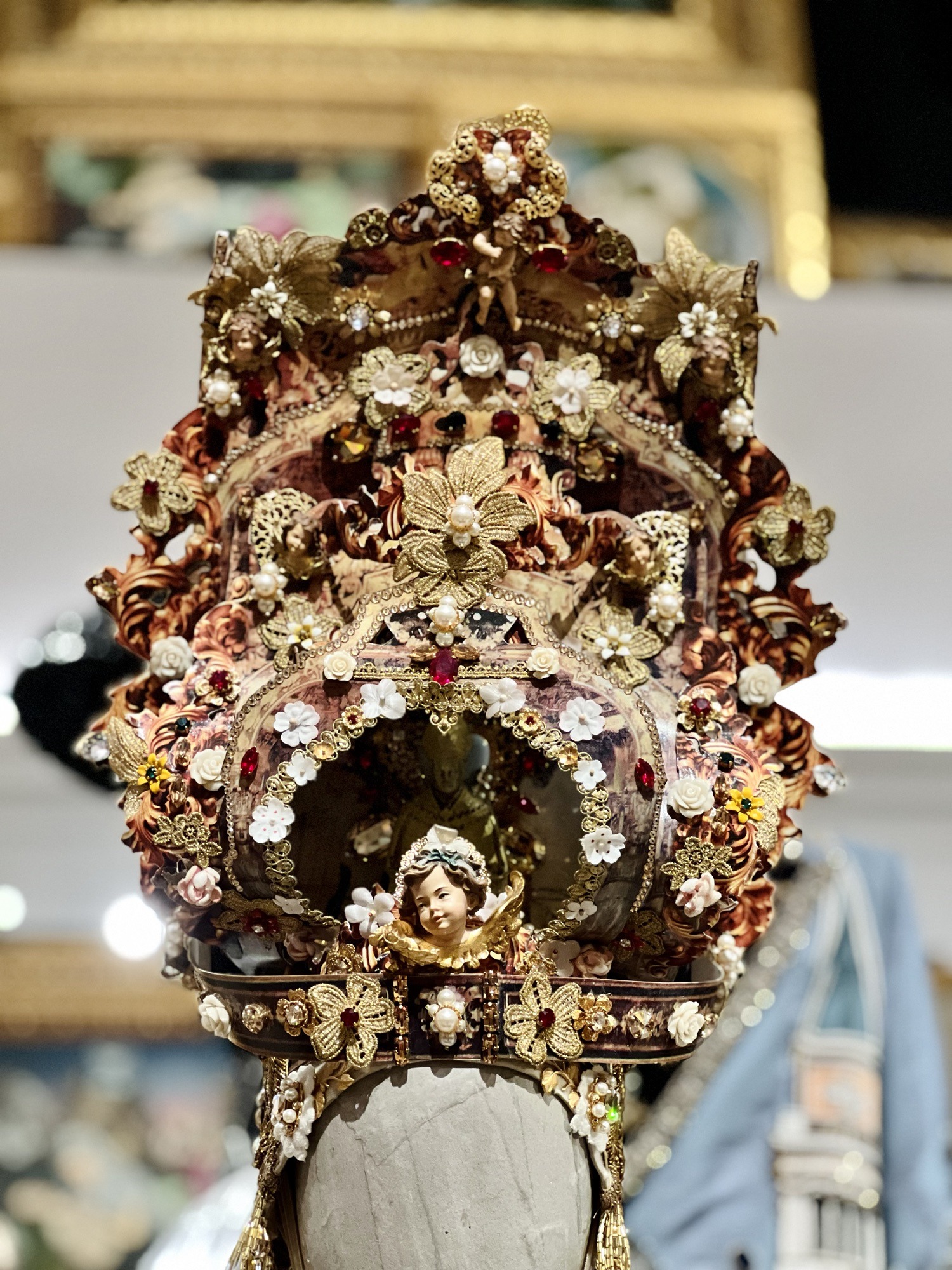
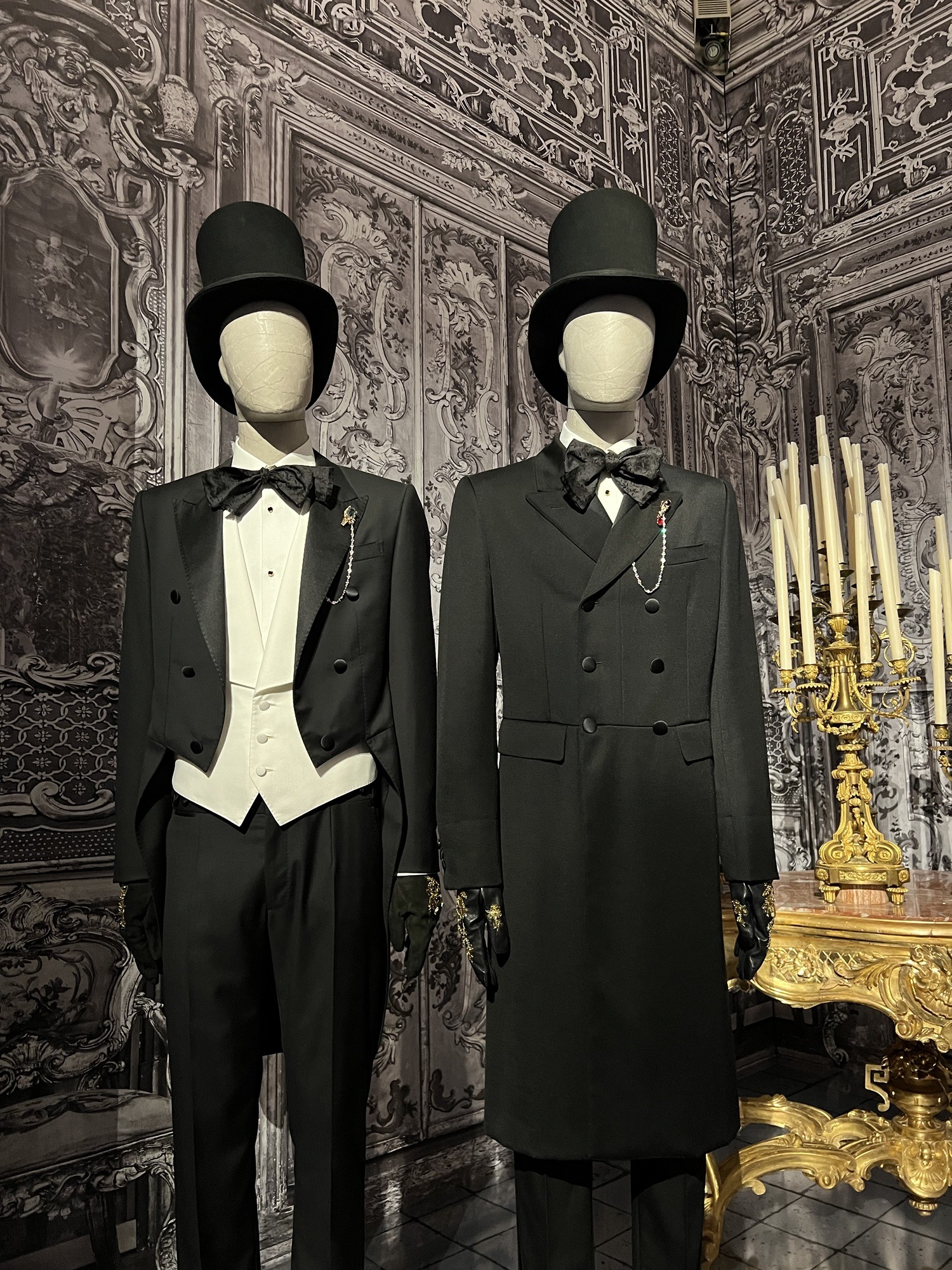
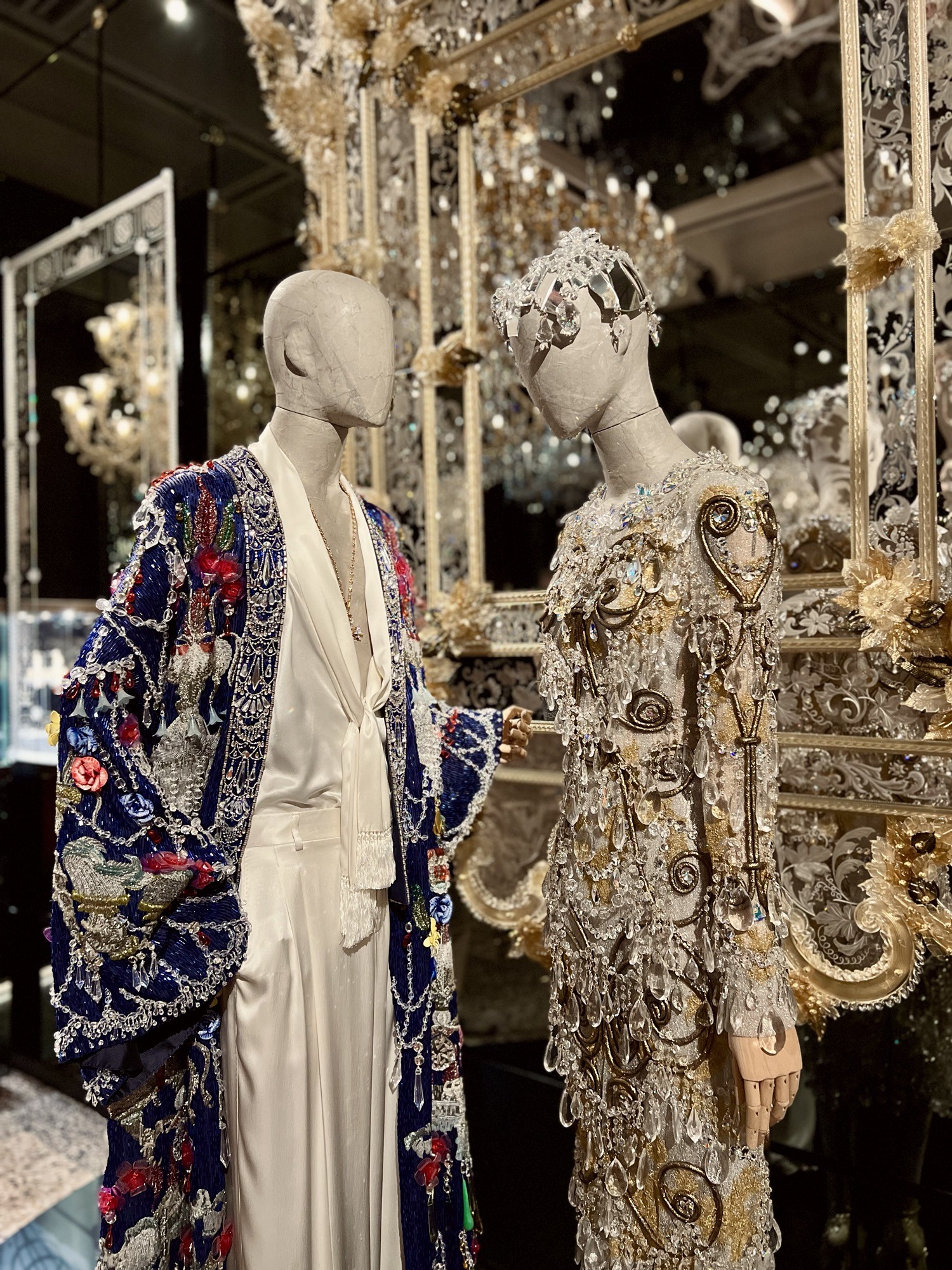
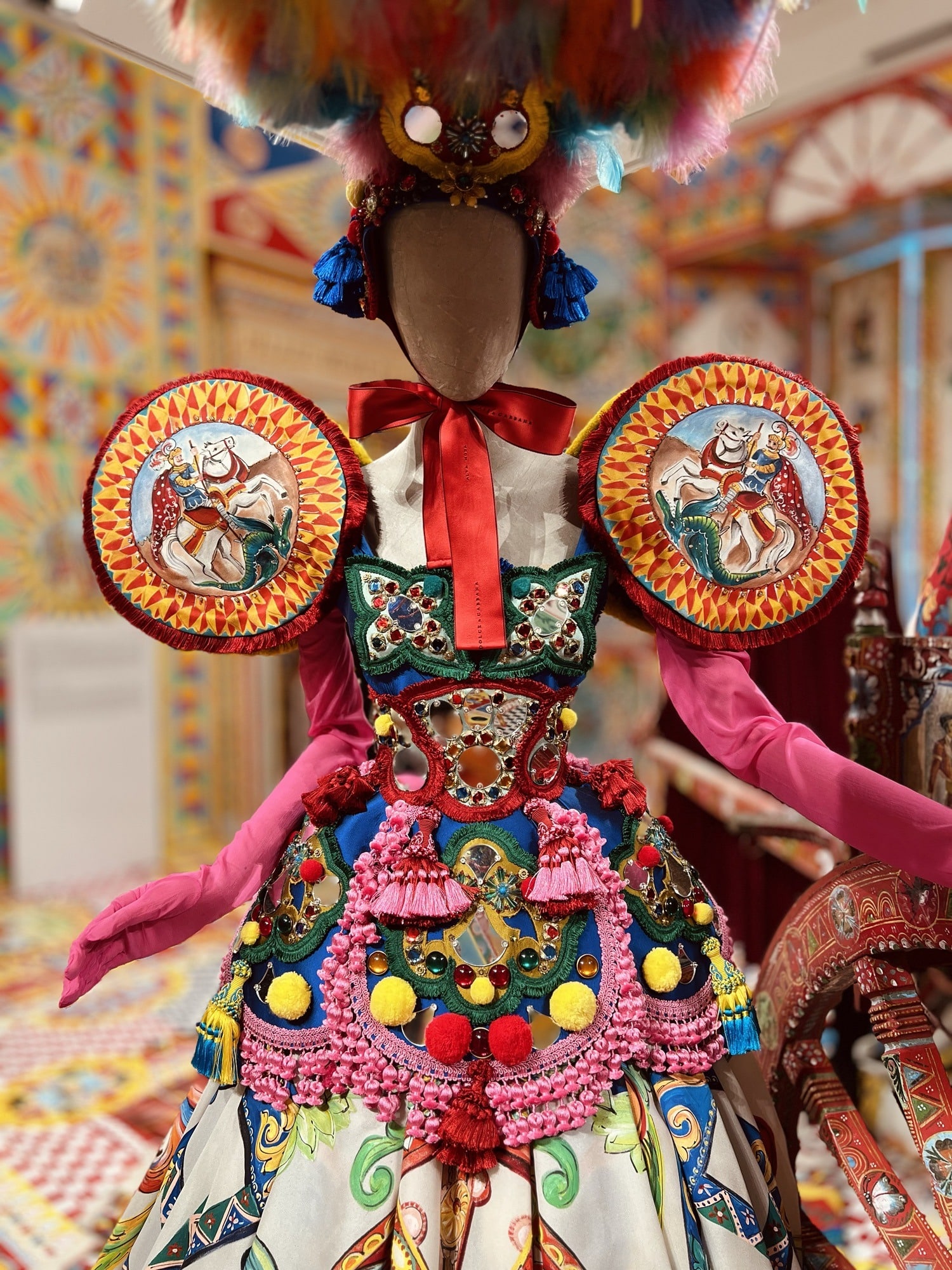
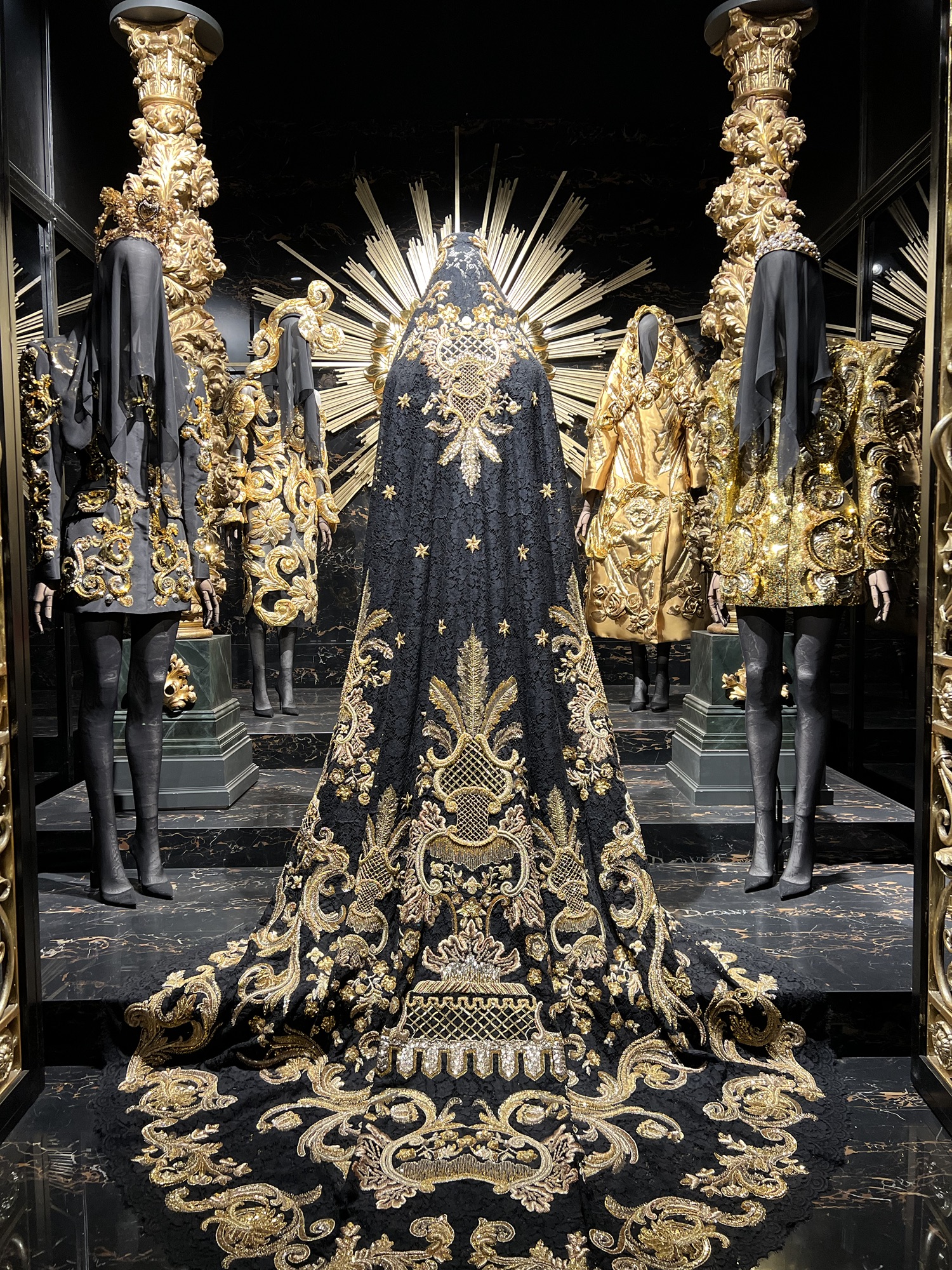
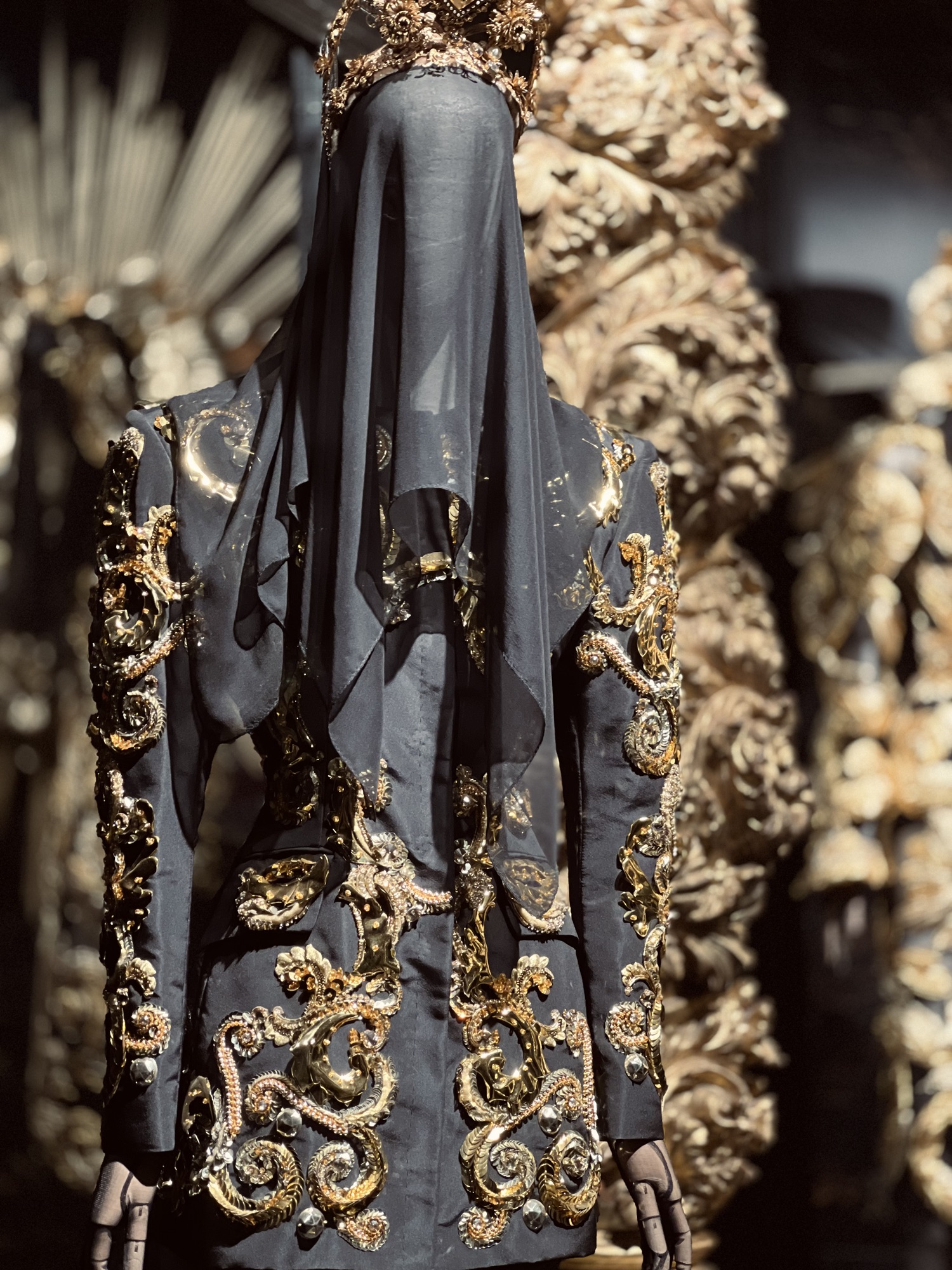
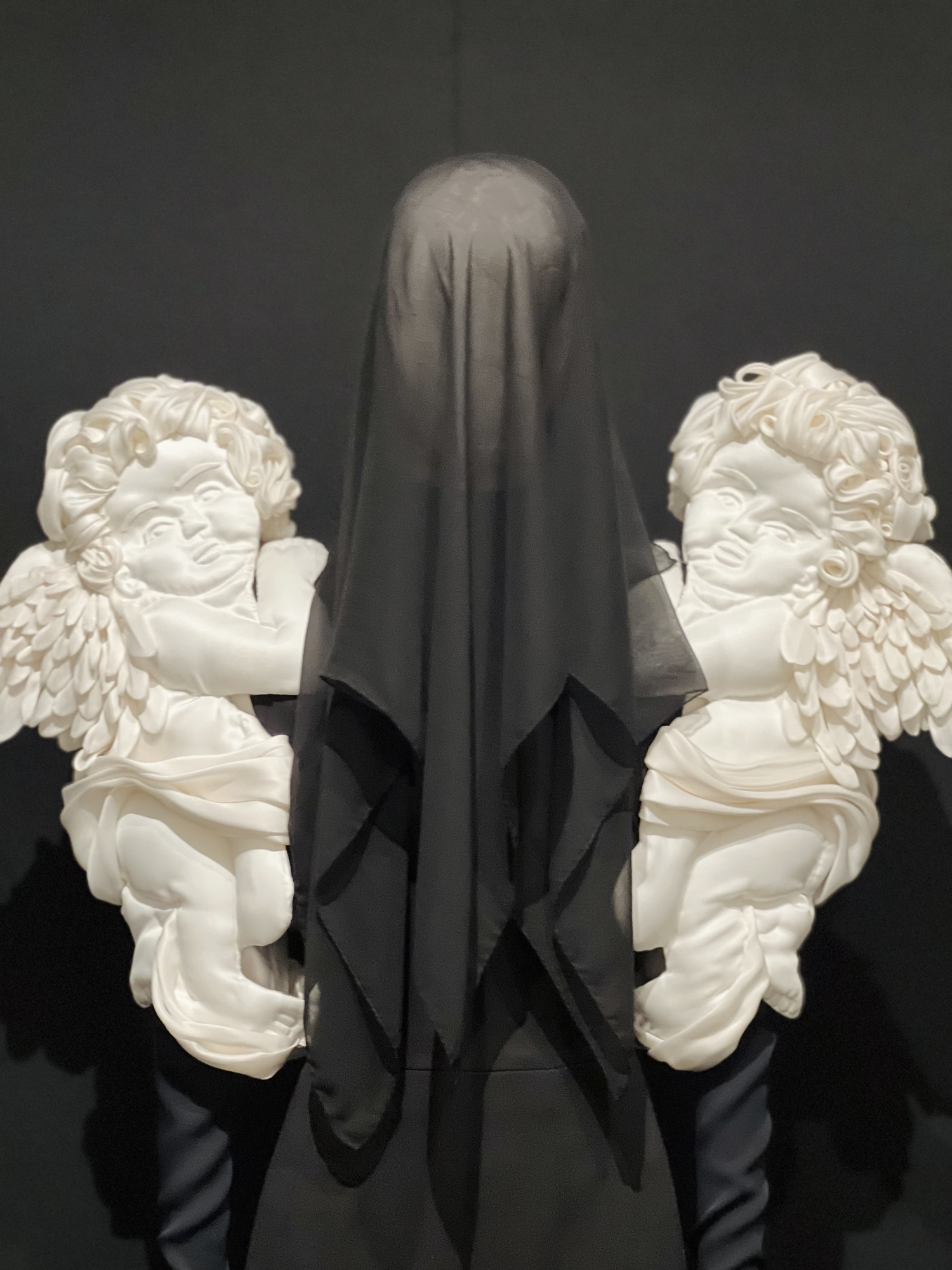
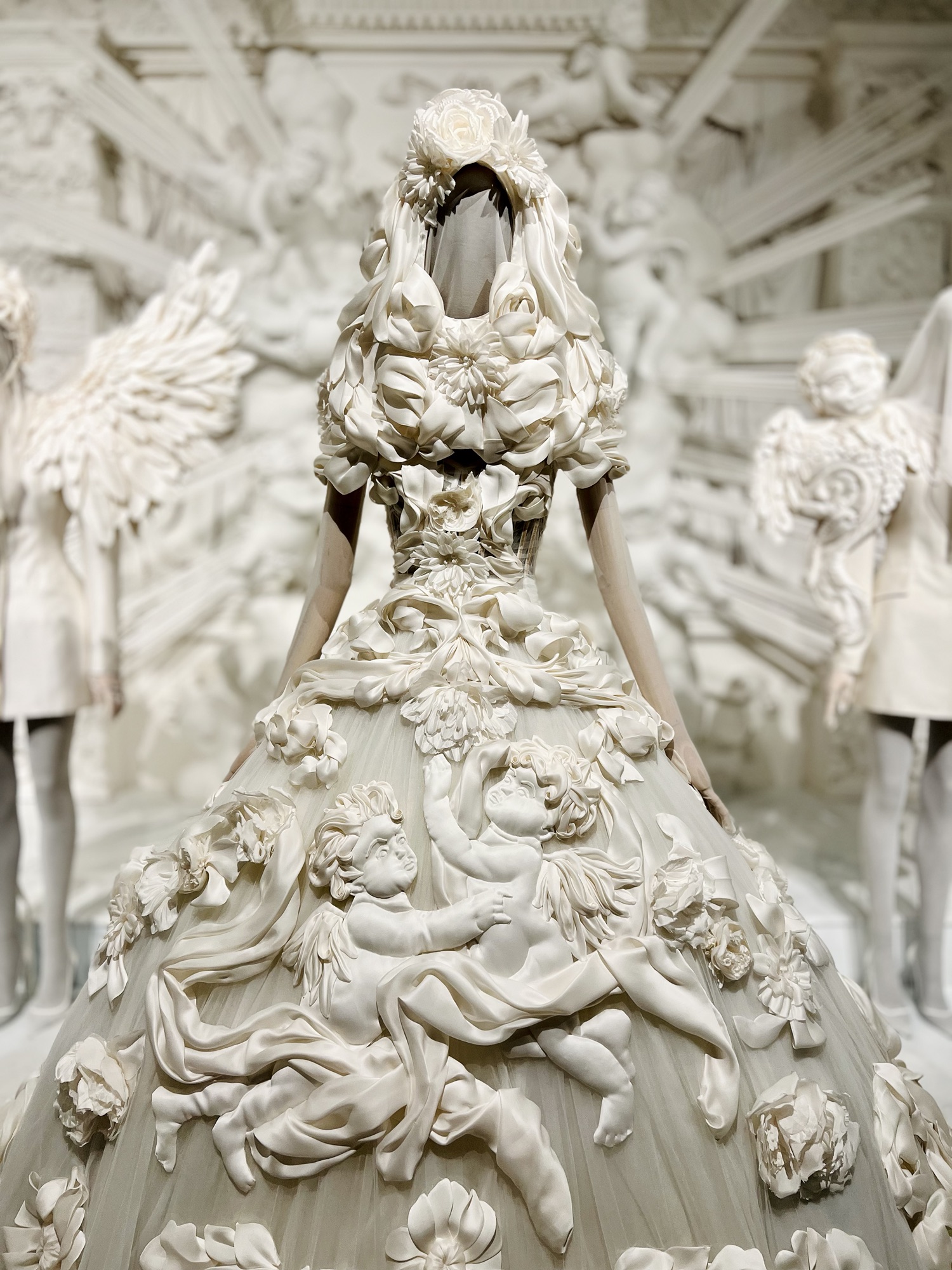
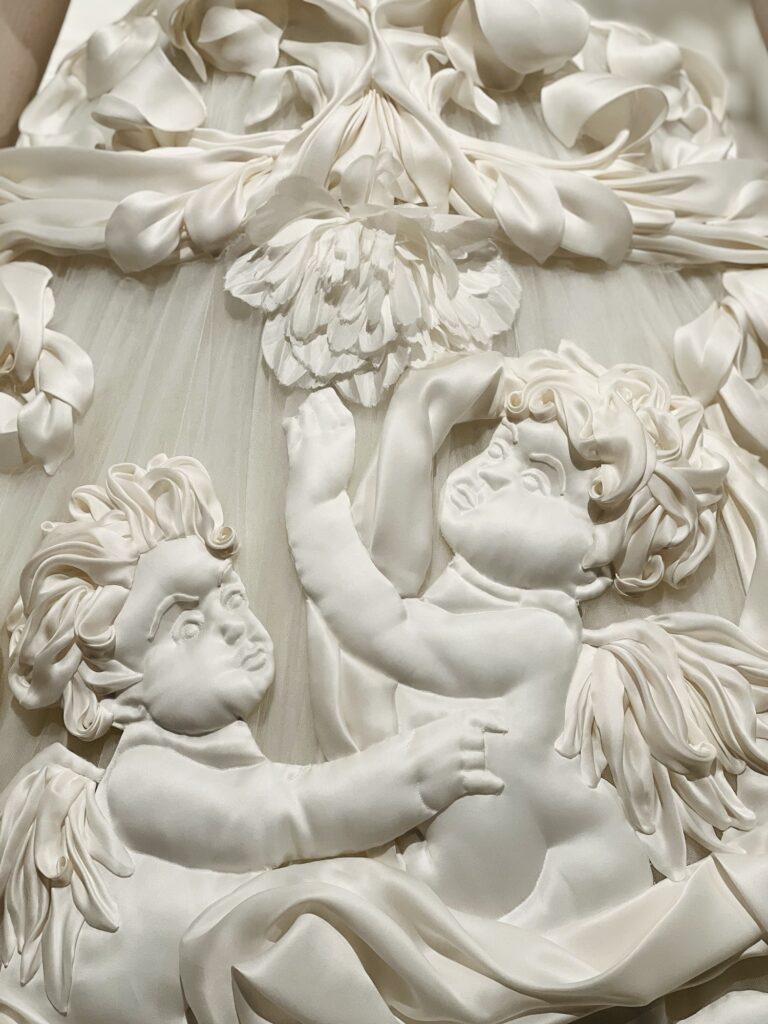
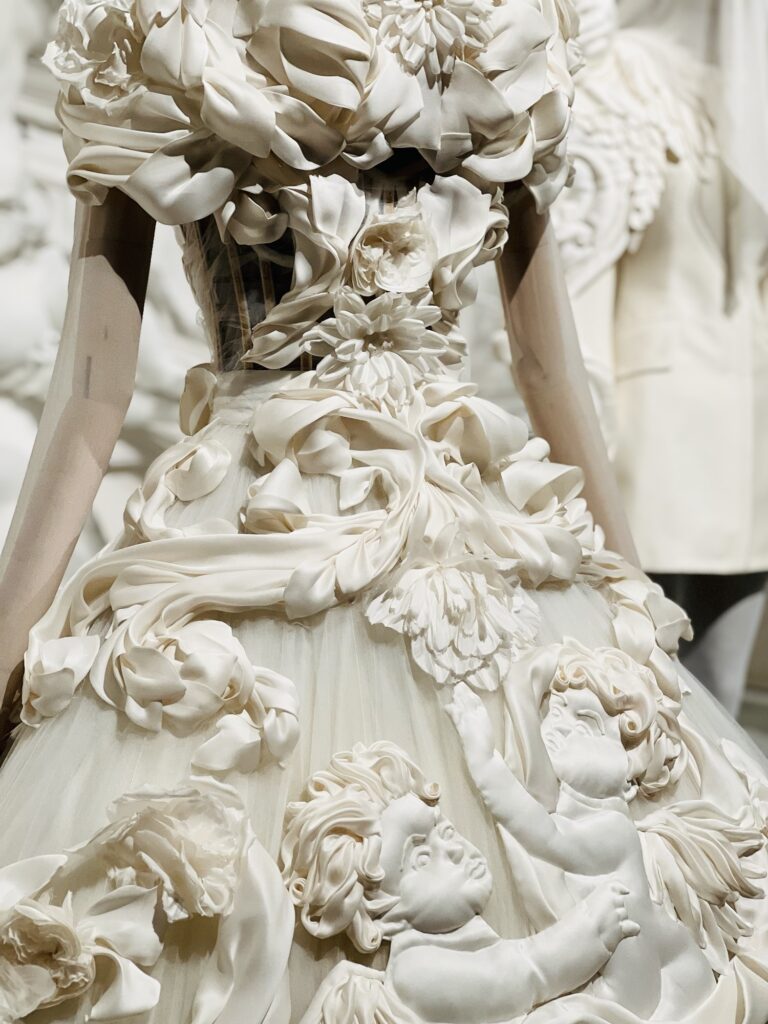
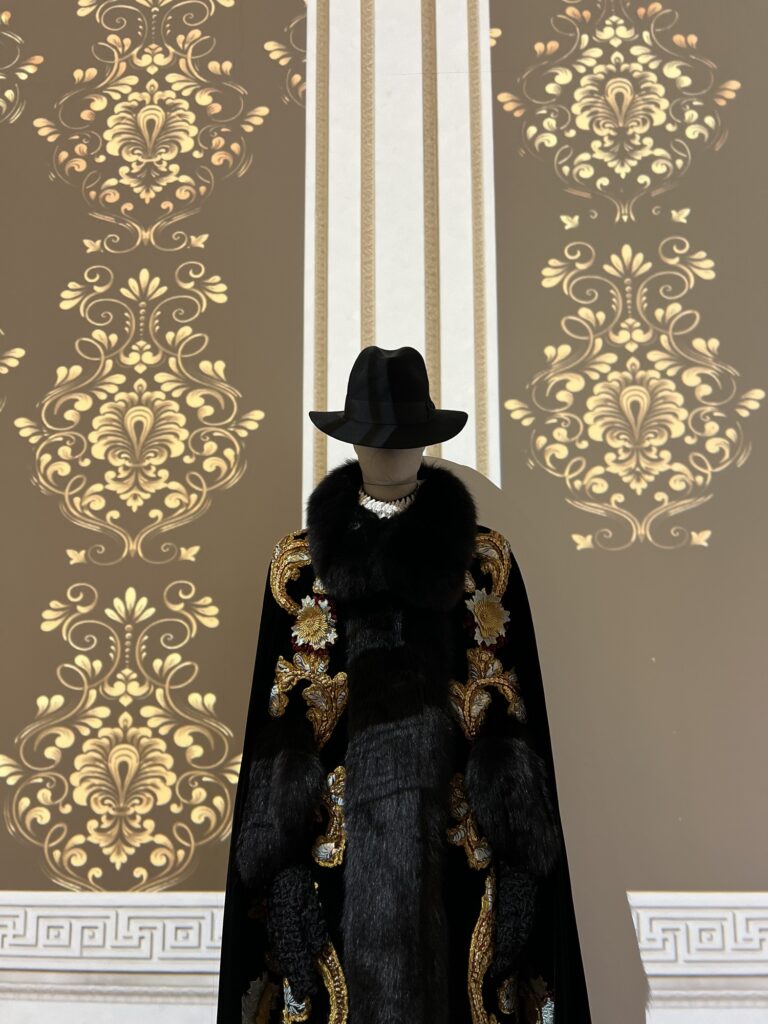
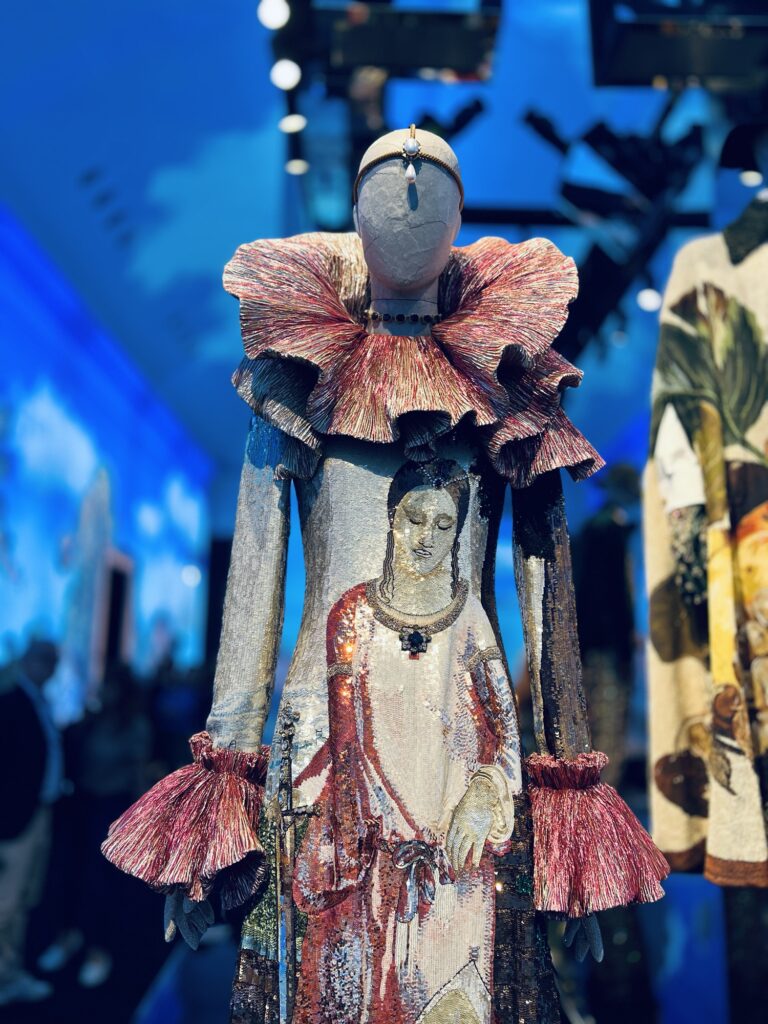
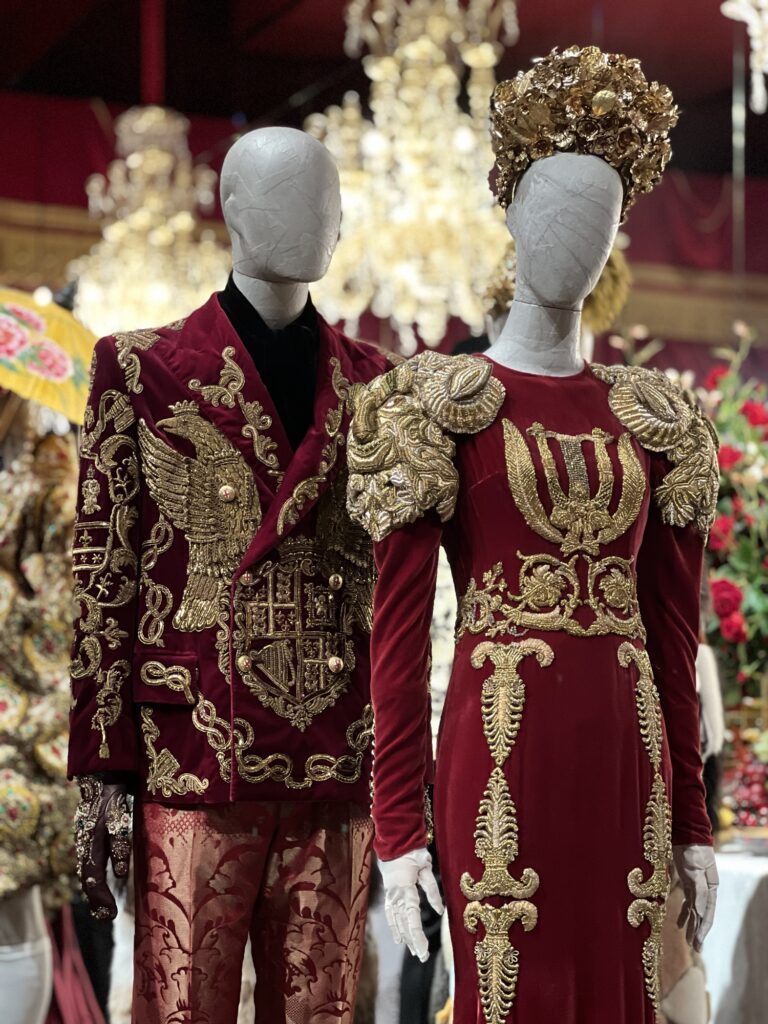
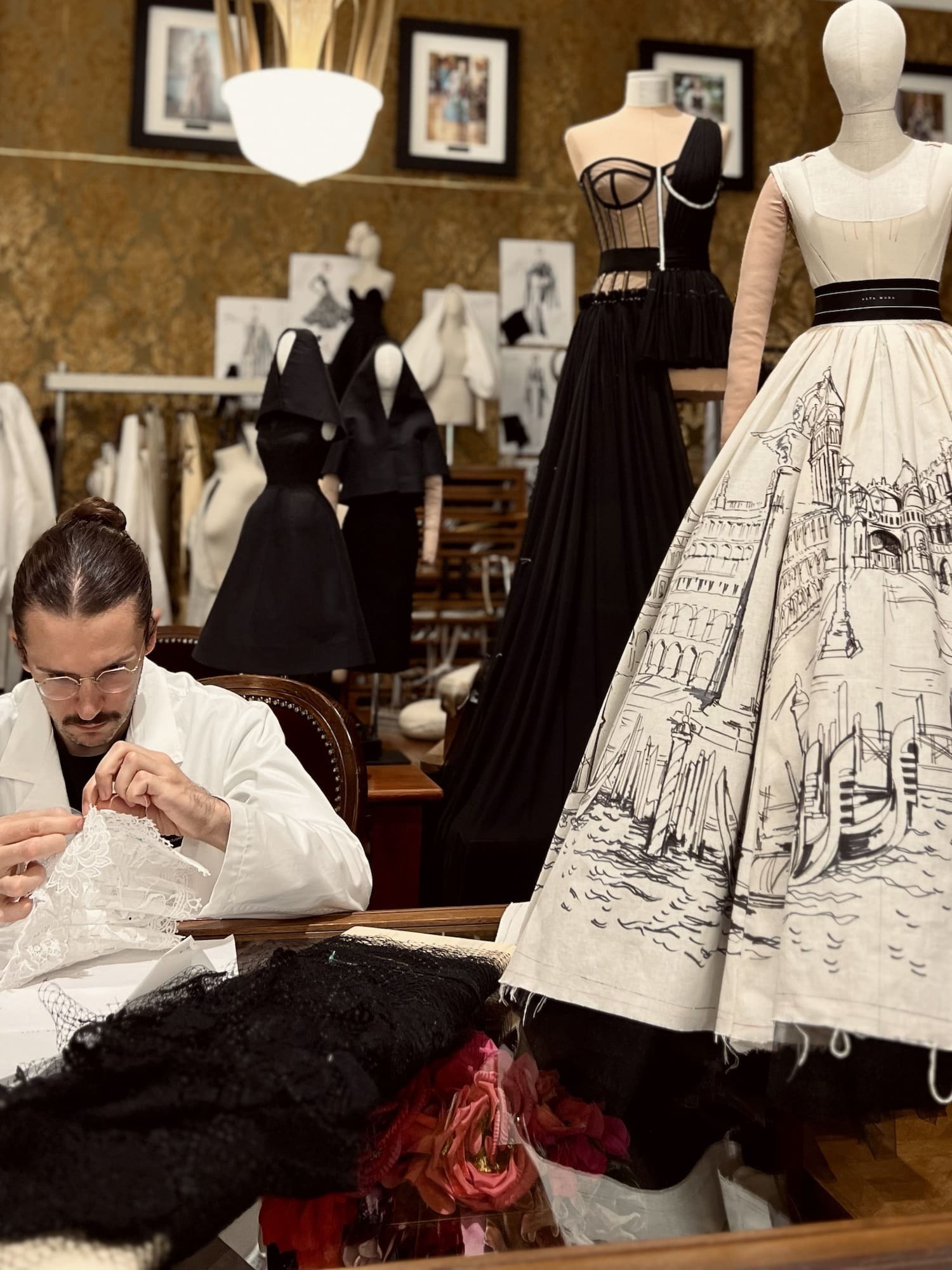
    I still remember walking into that first room and being completely blown away. My friend and I looked at each other, mesmerized and speechless, like, ‘Are we seriously seeing this right now?’ I mean, when you look at the craftsmanship and the intricate details, you’ll see it for yourself, its NOT  just clothing; it’s art. 


    As the tour continued and we moved to the next room, we were completely absorbed into the world.

    I don’t even know how to put it into words—it was honestly mind-blowing. We spent hours wandering and talking about the pieces in every room, looking at each piece and admiring every tiny detail.

    The experience made me understand their legacy and history more deeply. I always knew clothing could be art, but I wasn’t expecting their work to be so artistic and complex. The beauty and drama of their creations were intoxicating. The theatricality of the exhibit—it just blew me away.


    A Love Letter to the Italian Culture

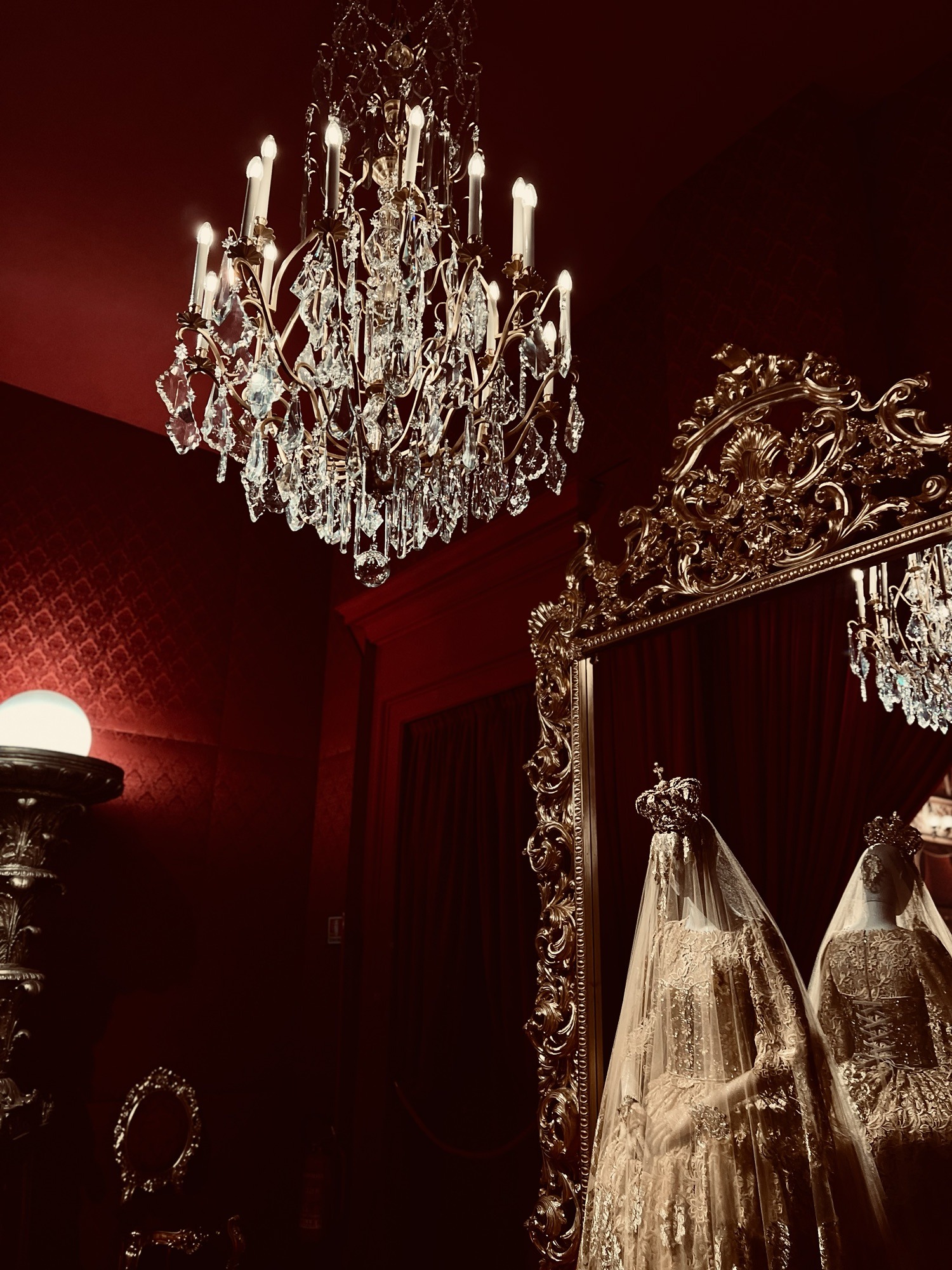
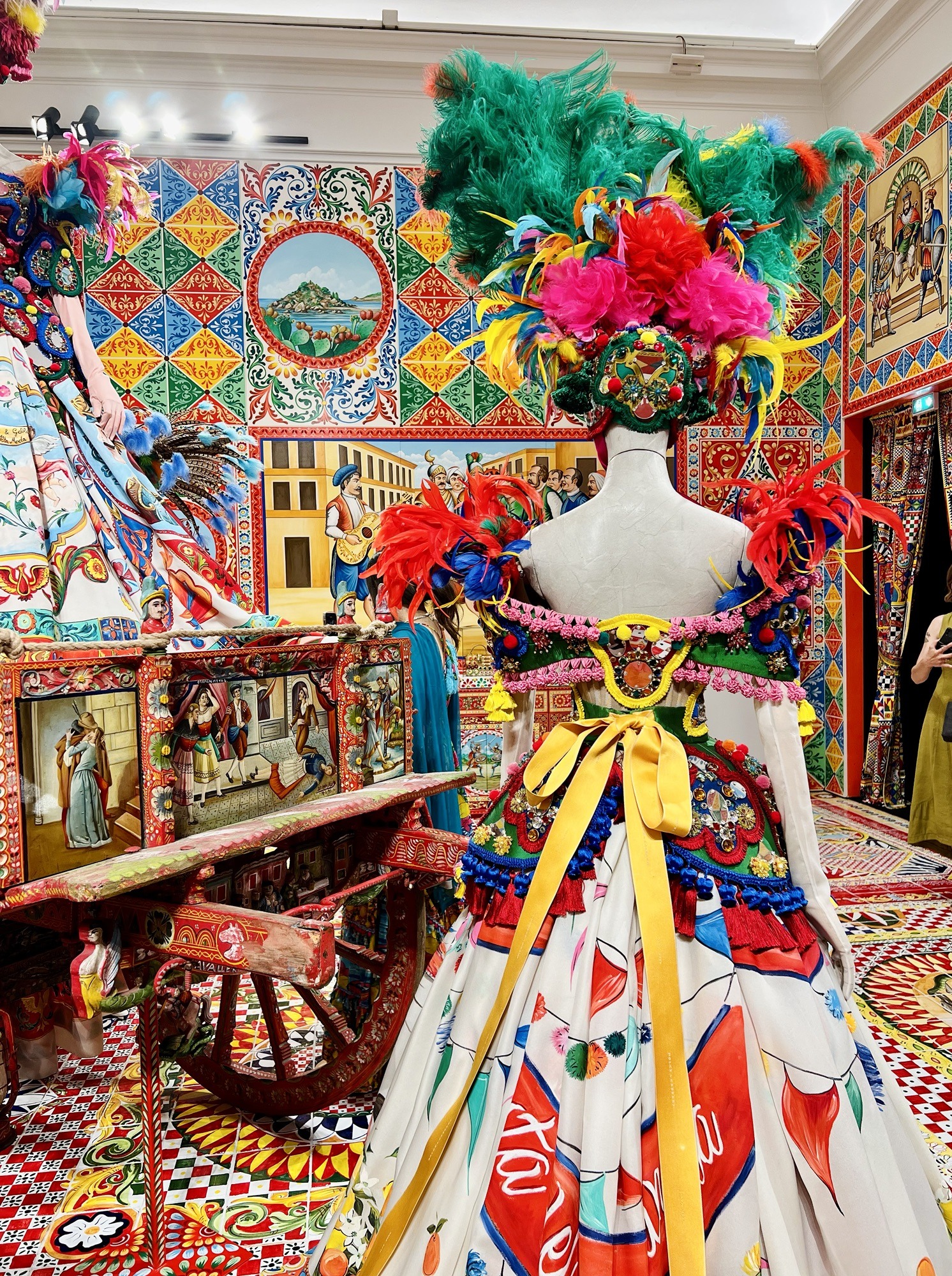
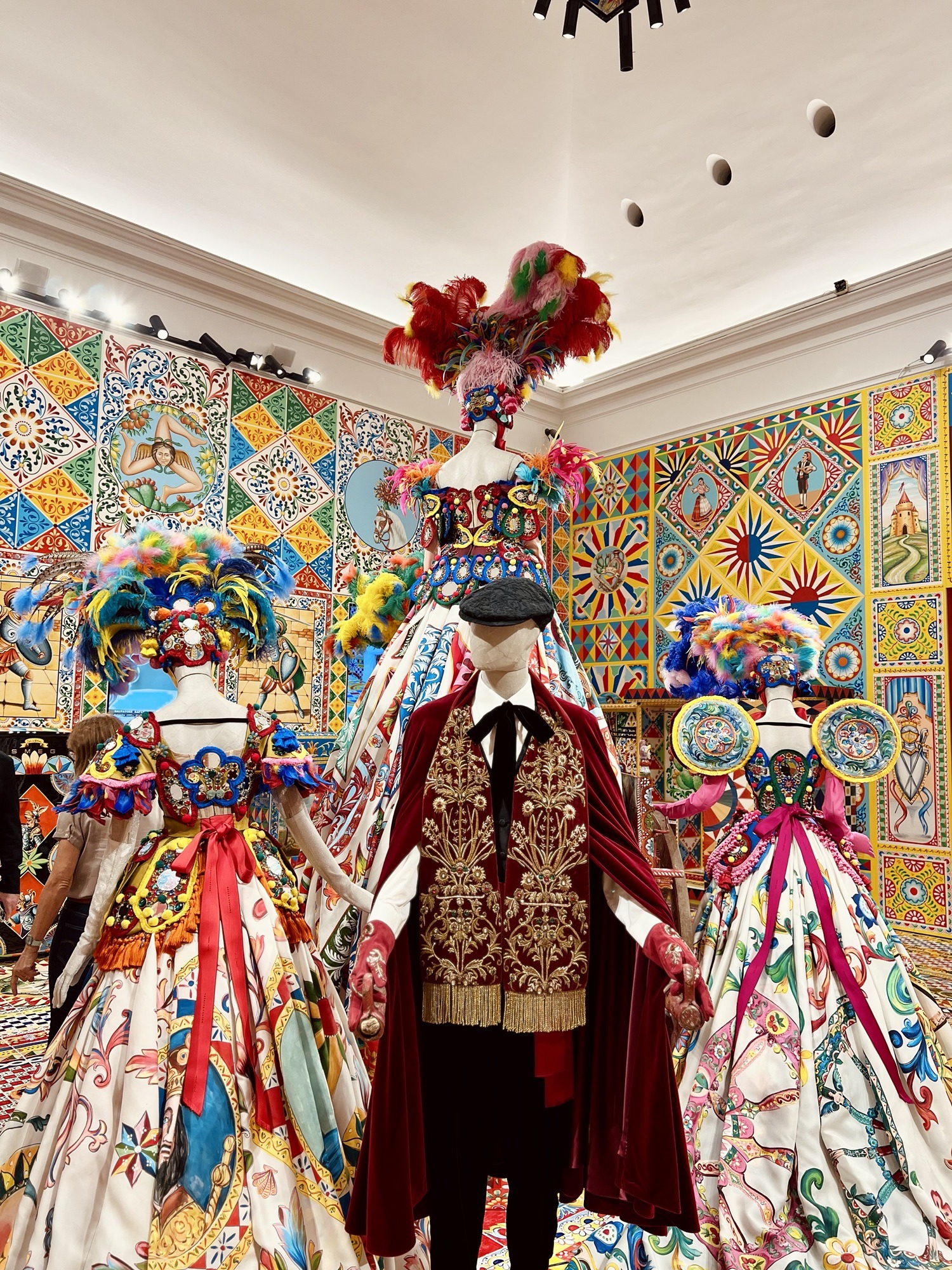
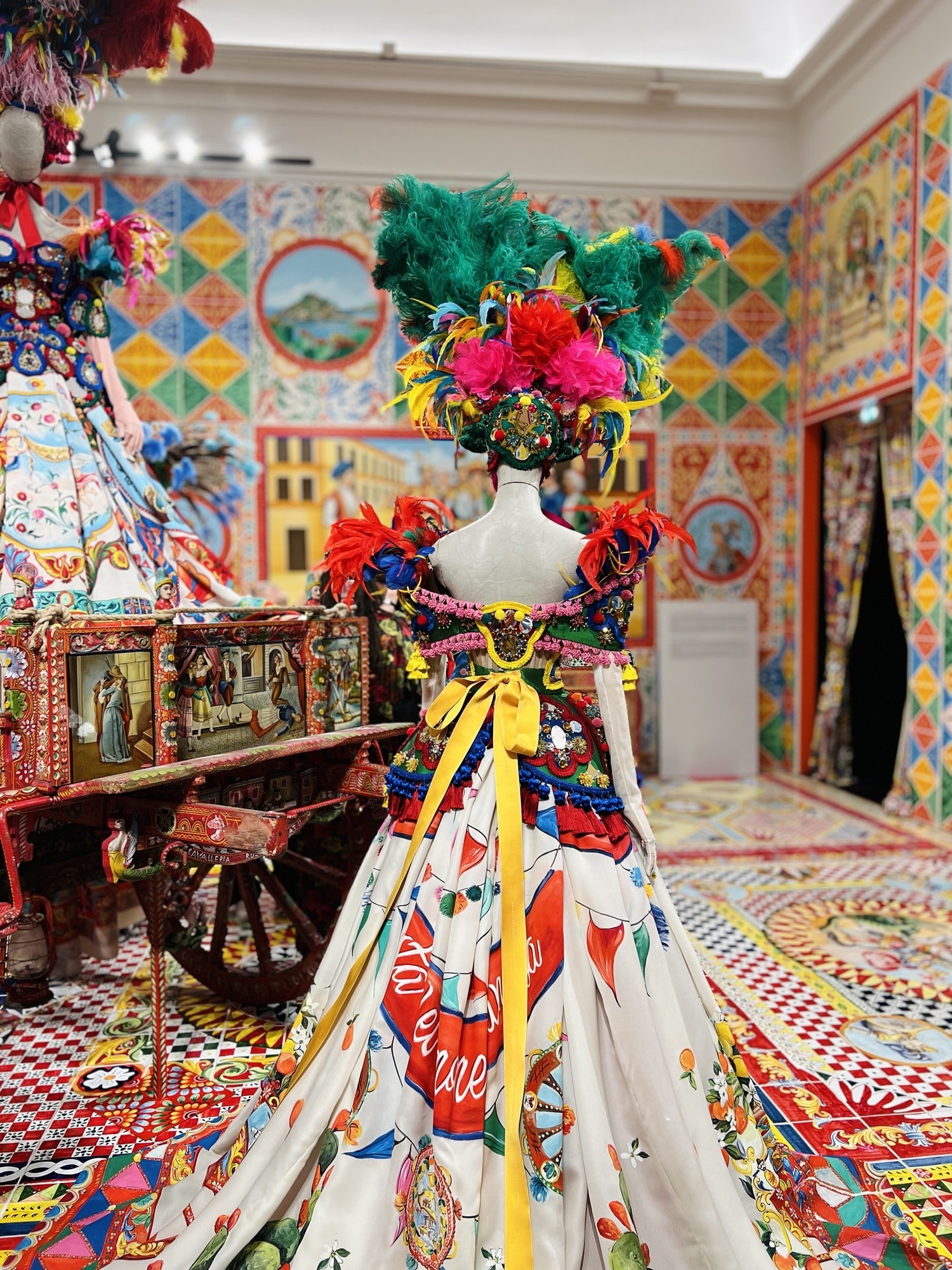
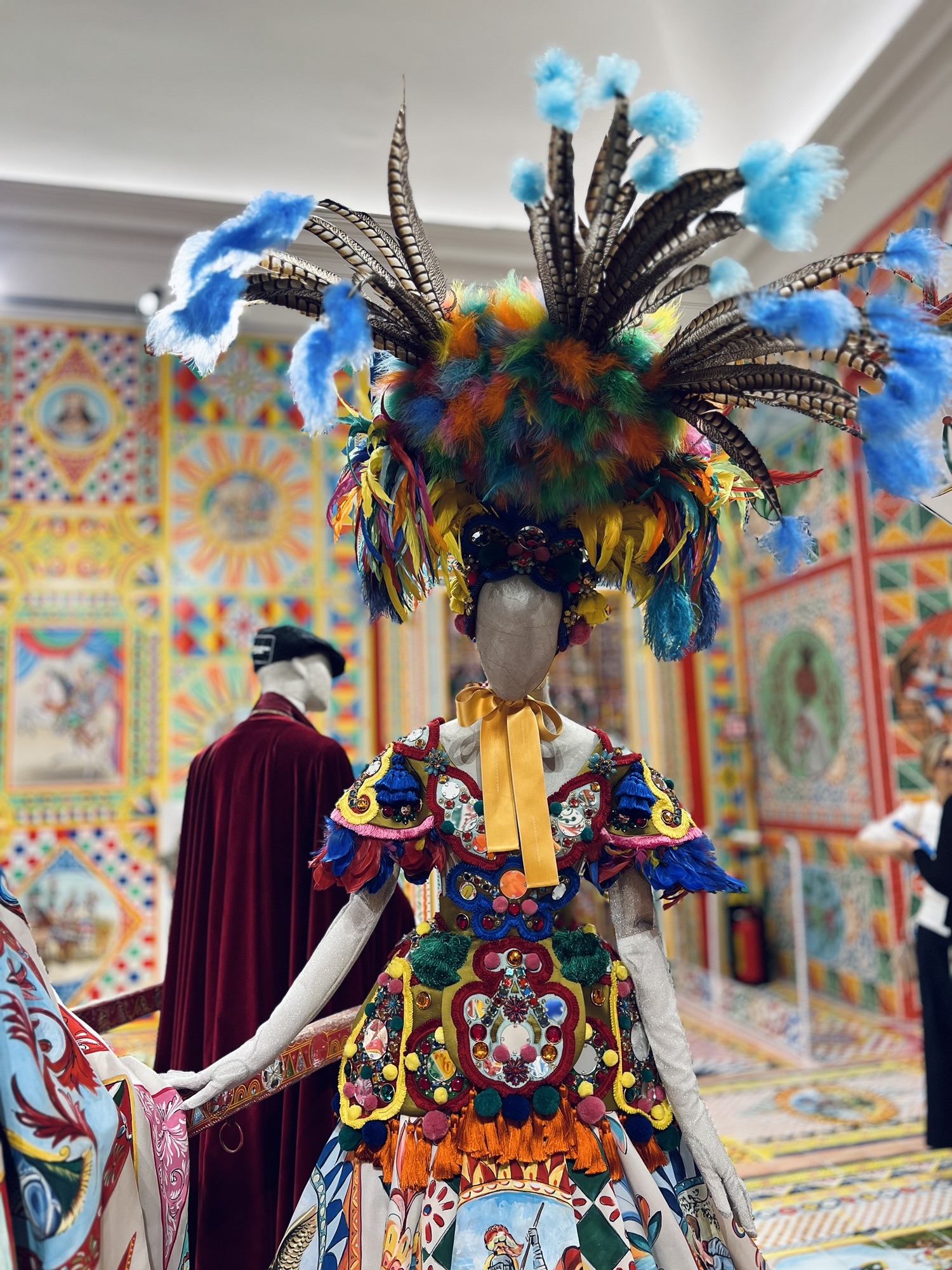
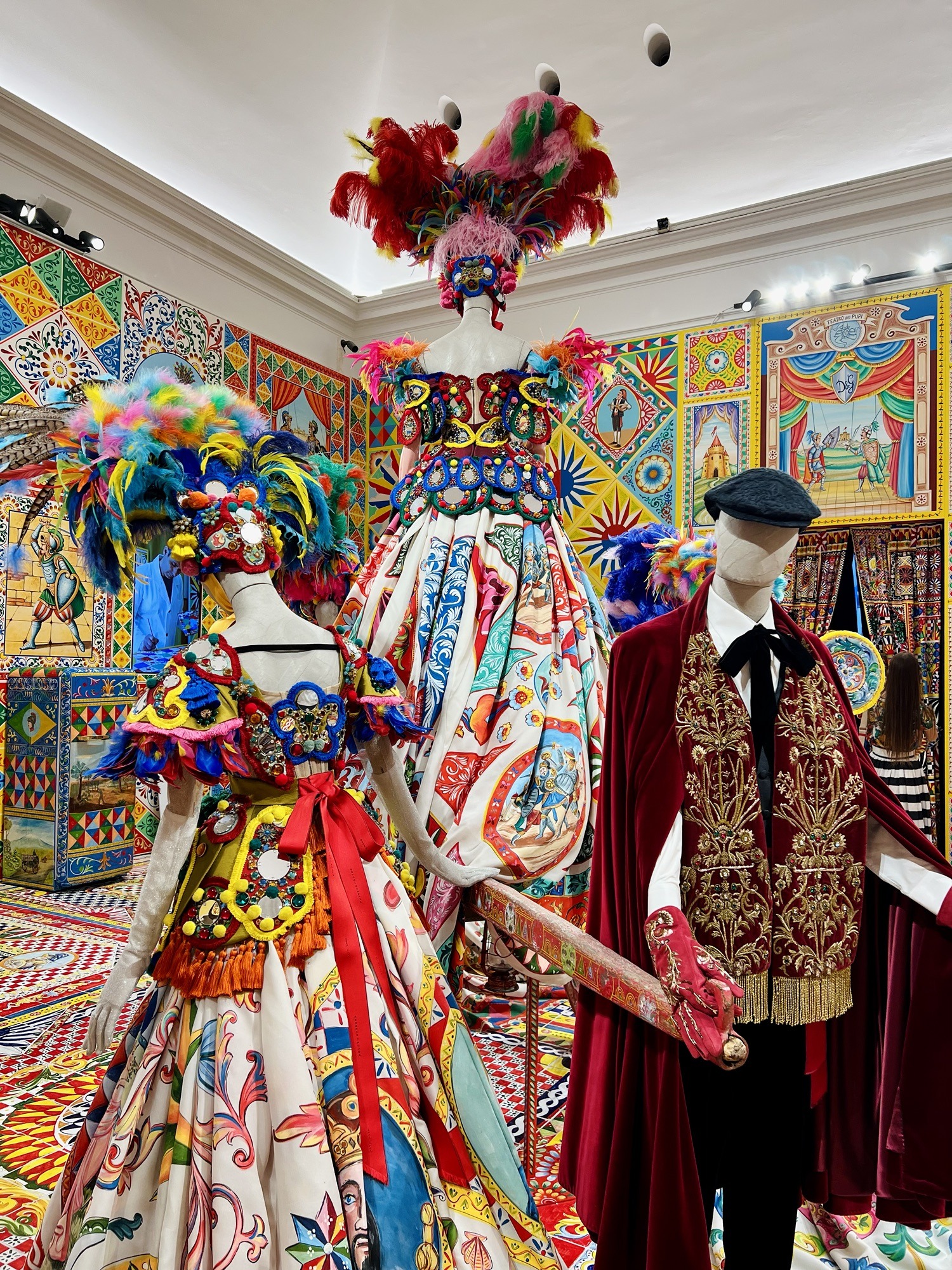
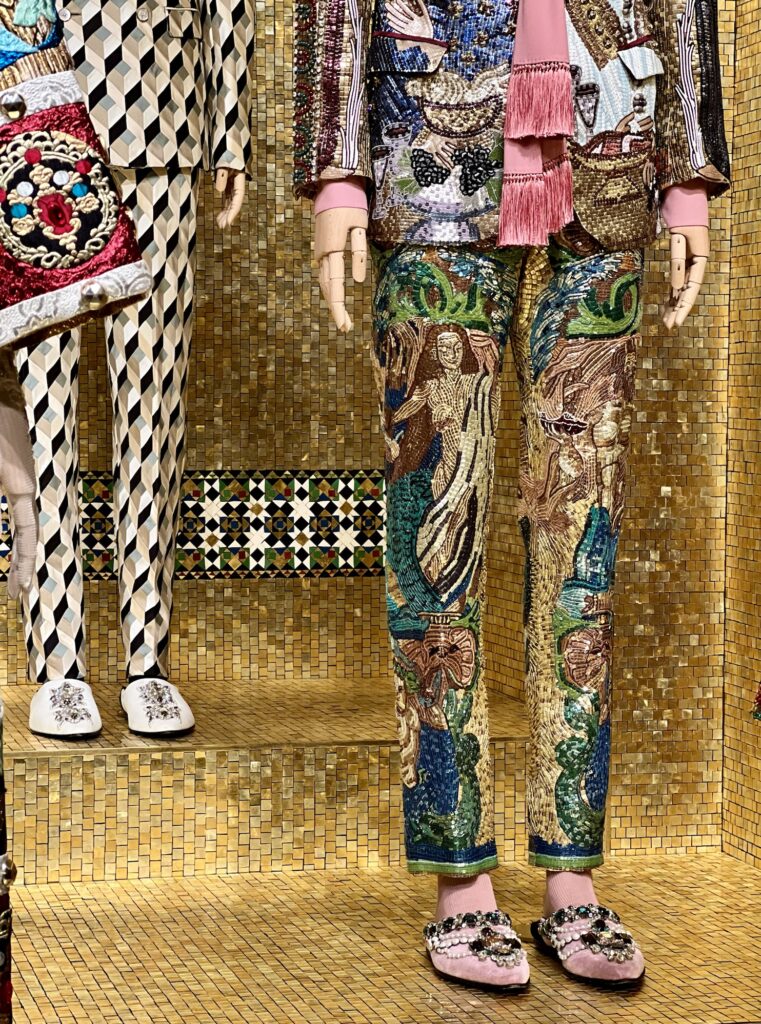
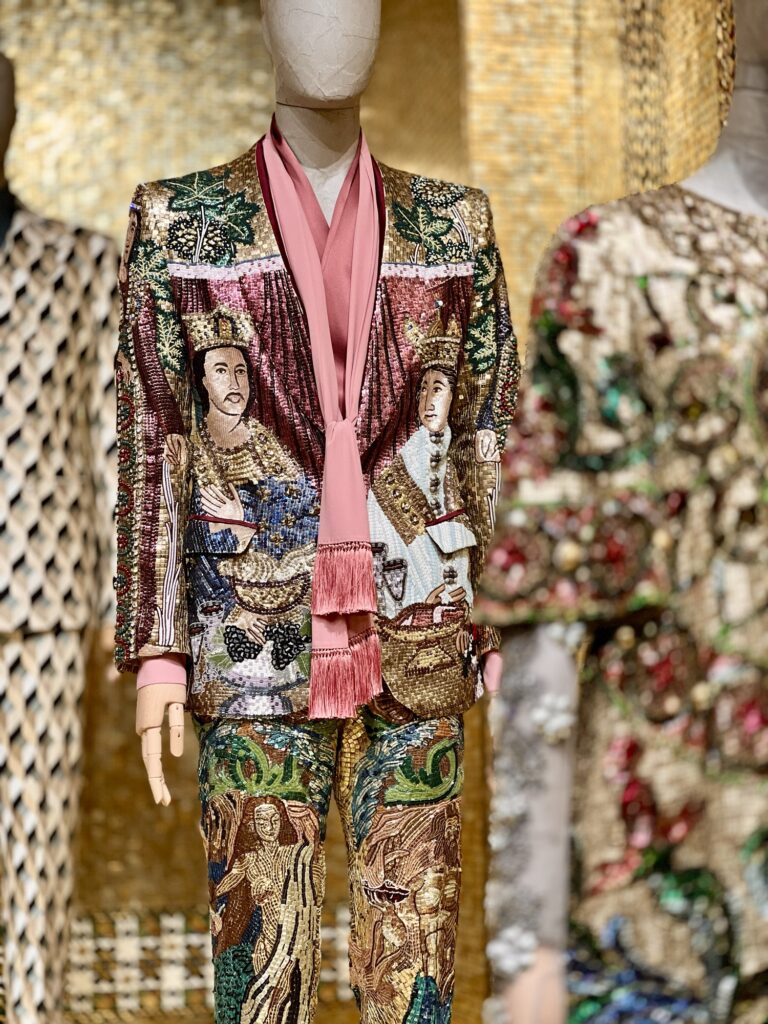
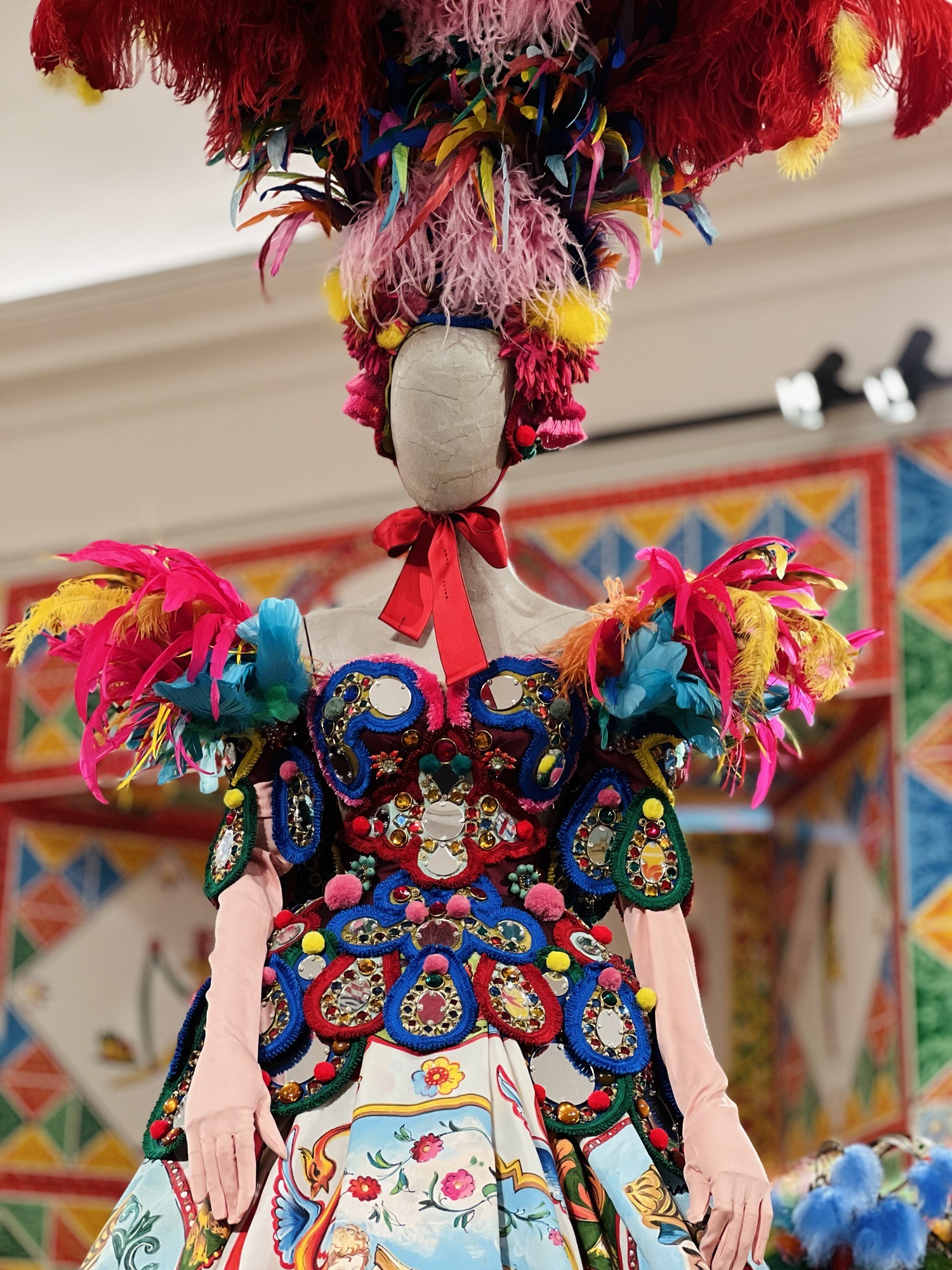
    One of the most amazing things about the Dolce & Gabbana exhibit was how much of their work was inspired by Italian culture, especially the colours and styles of Sicily. Upon entering the Sicily room, I was blown away by the . Everything in the room—from the colours to the clothes, feathers, jewelry, and paintings on the wall—was influenced by Sicily’s rich heritage. After the show, I did some research and found out that Sicily, where Domenico Dolce was born, has been a huge inspiration for the brand since the very beginning. You can really see the island’s sights, flavors, colors, and traditions woven into every piece in that exhibit—it was such a beautiful tribute.


    The Iconic Pieces

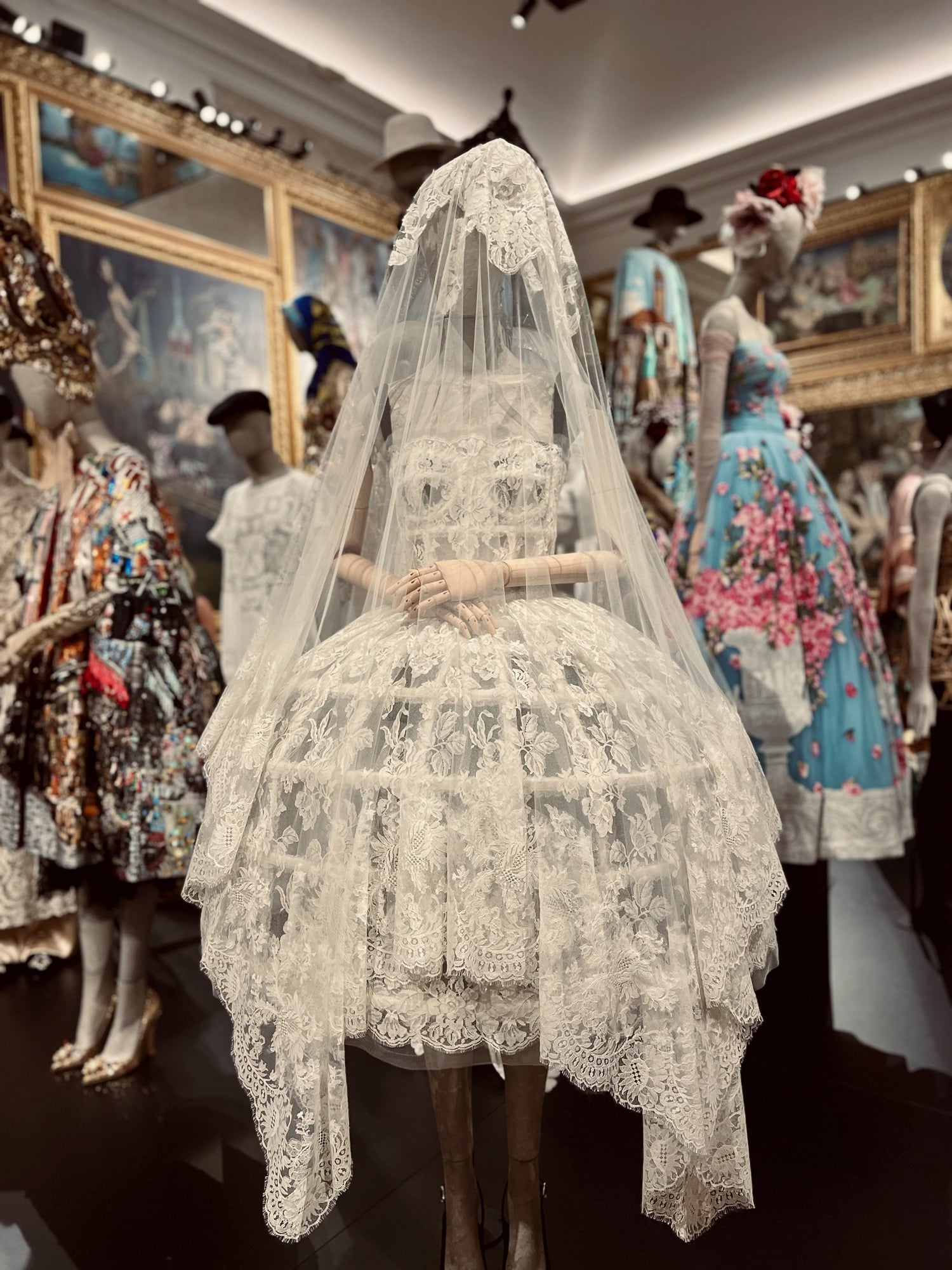
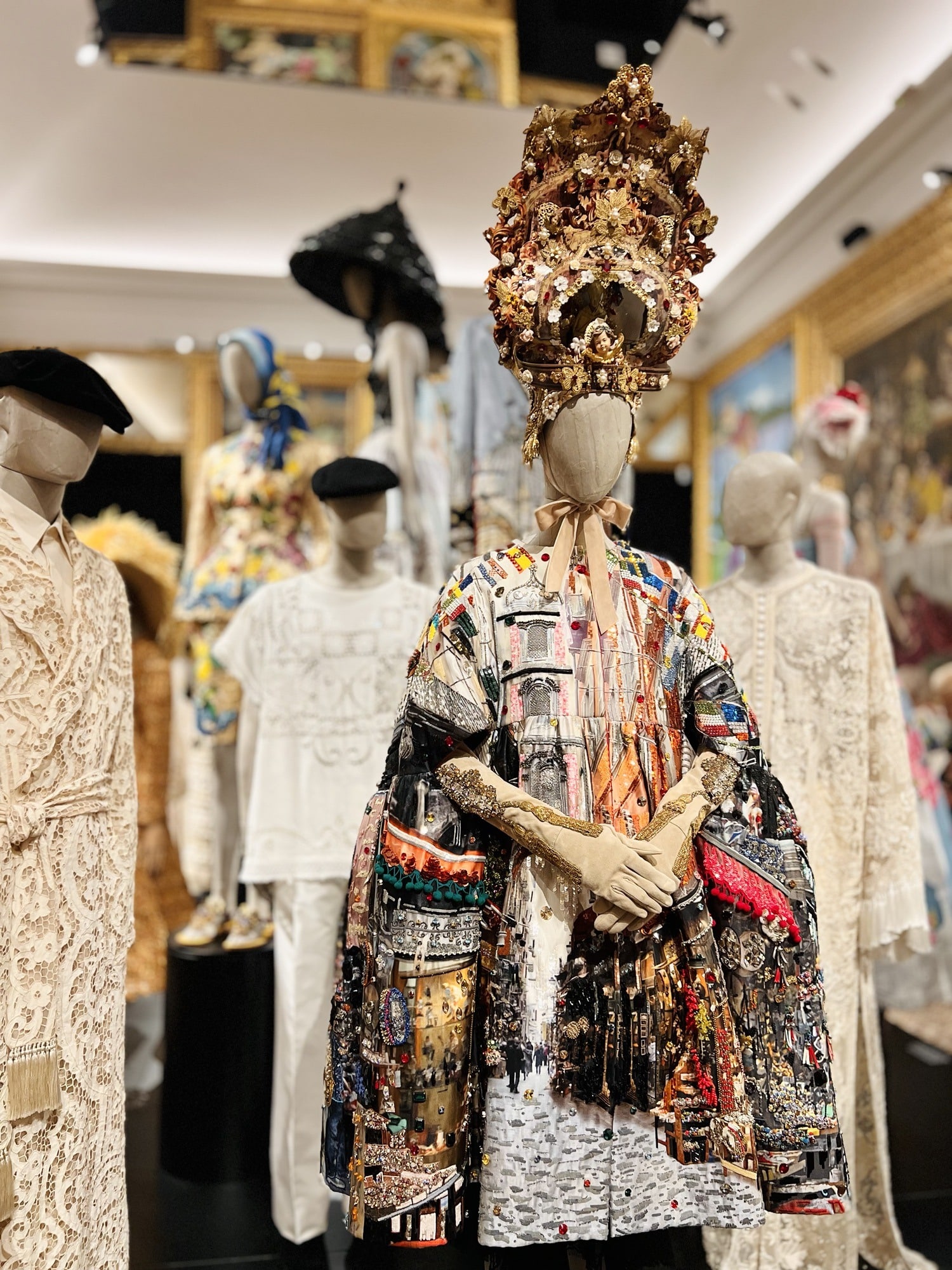
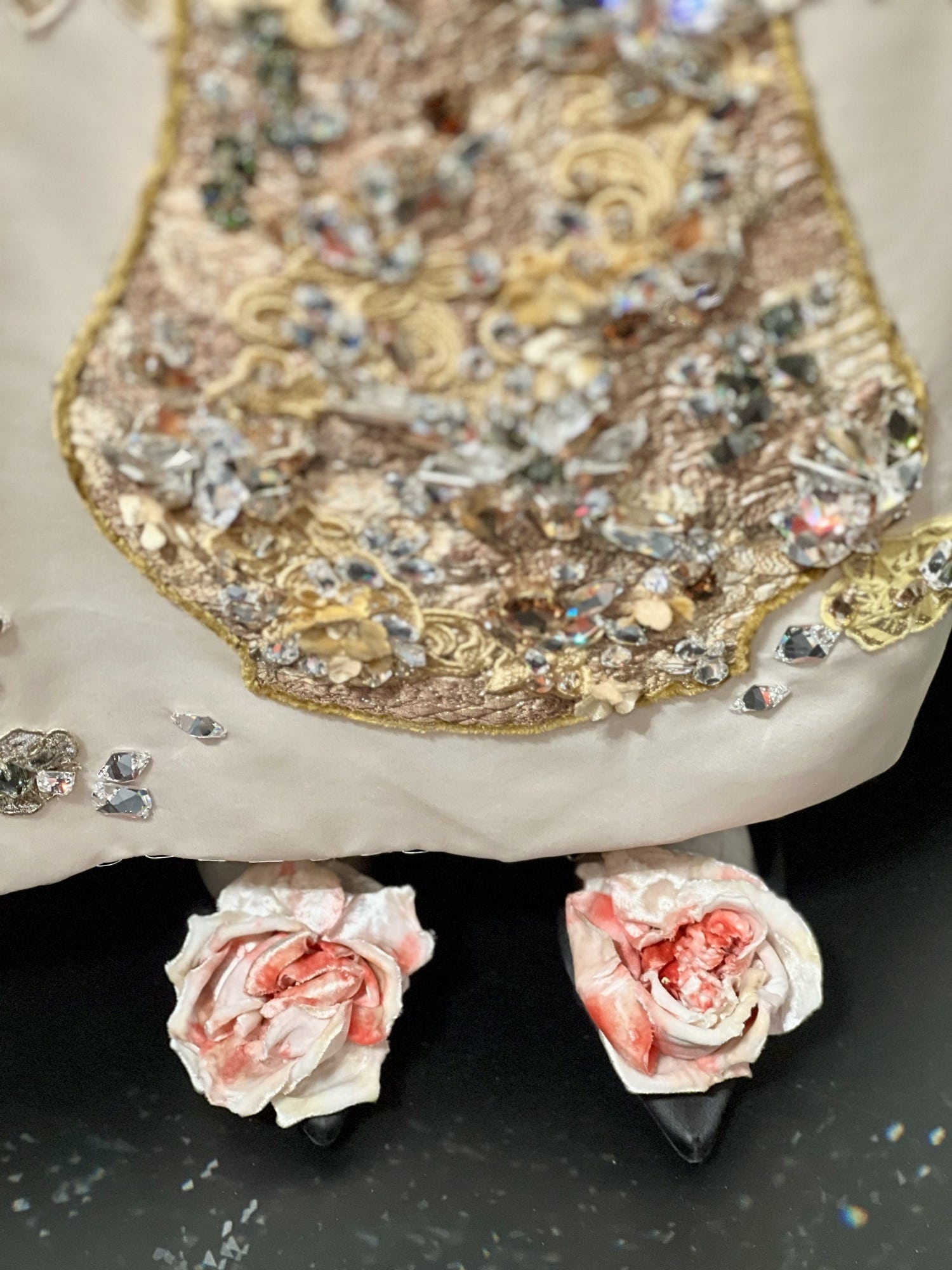
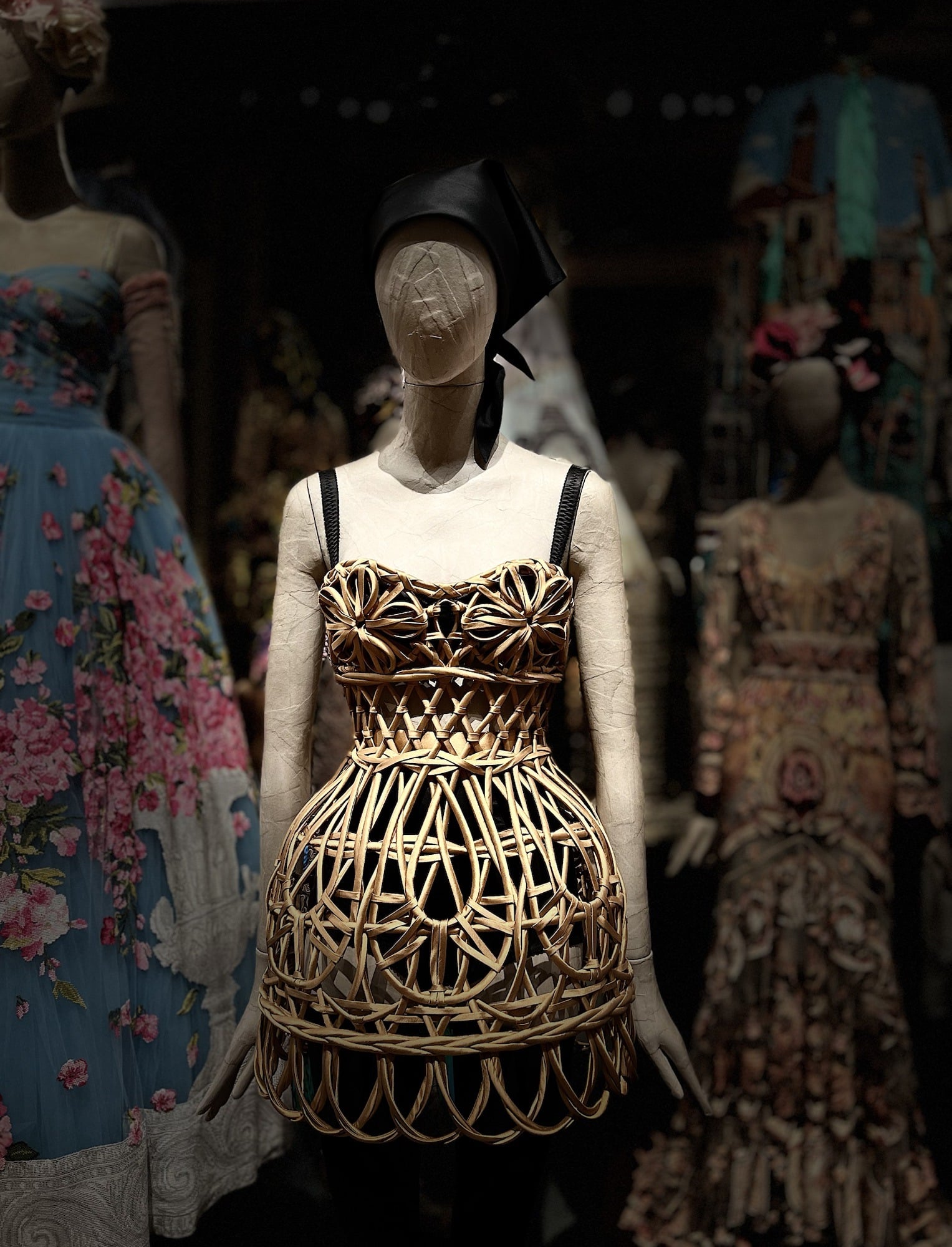
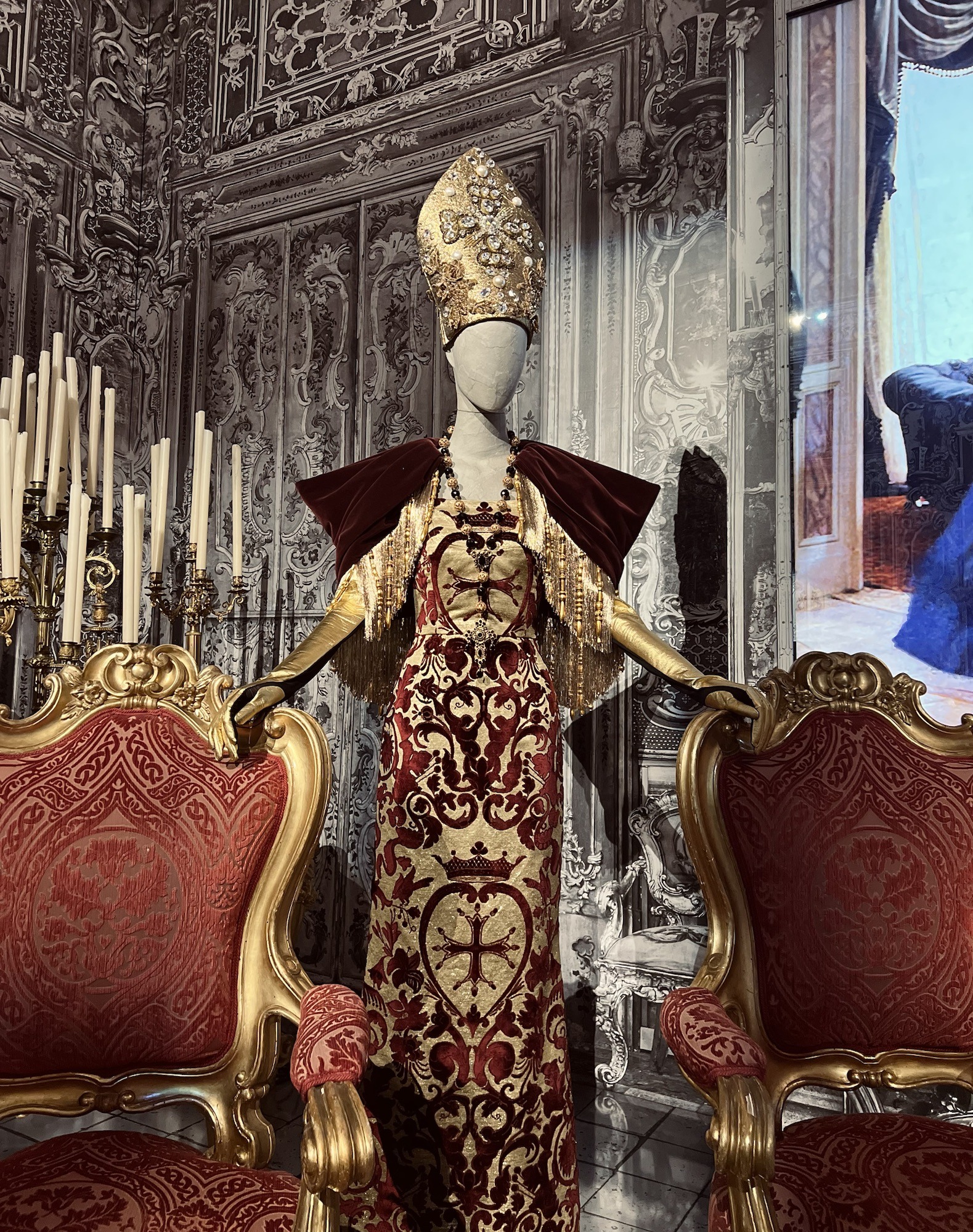
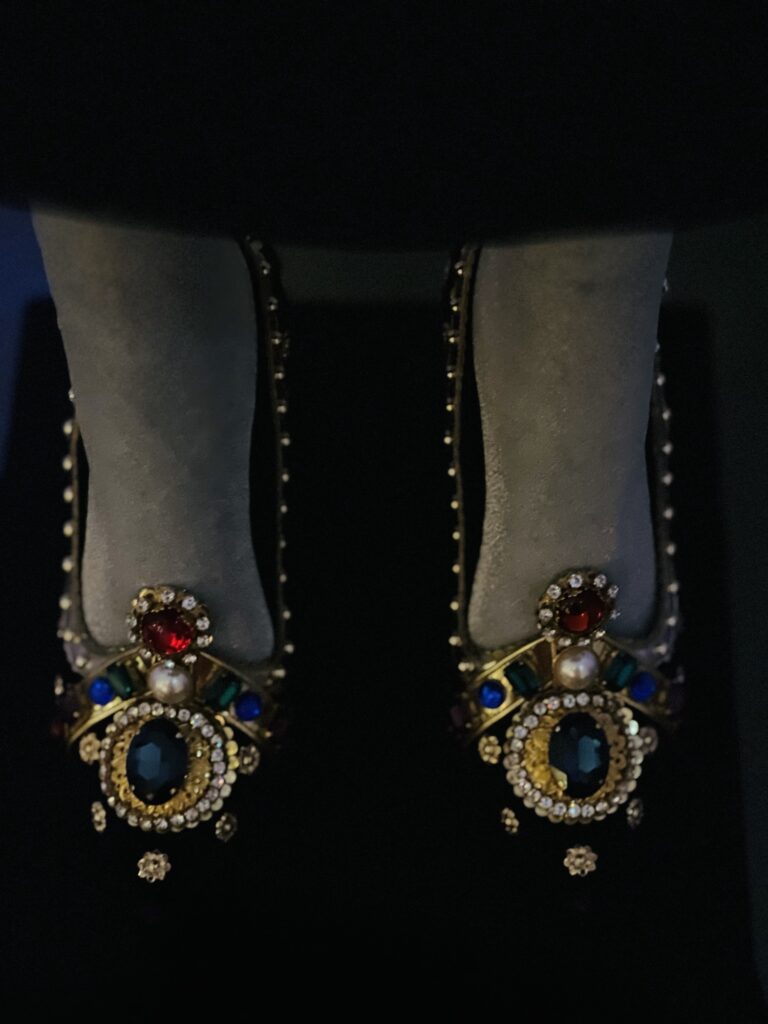
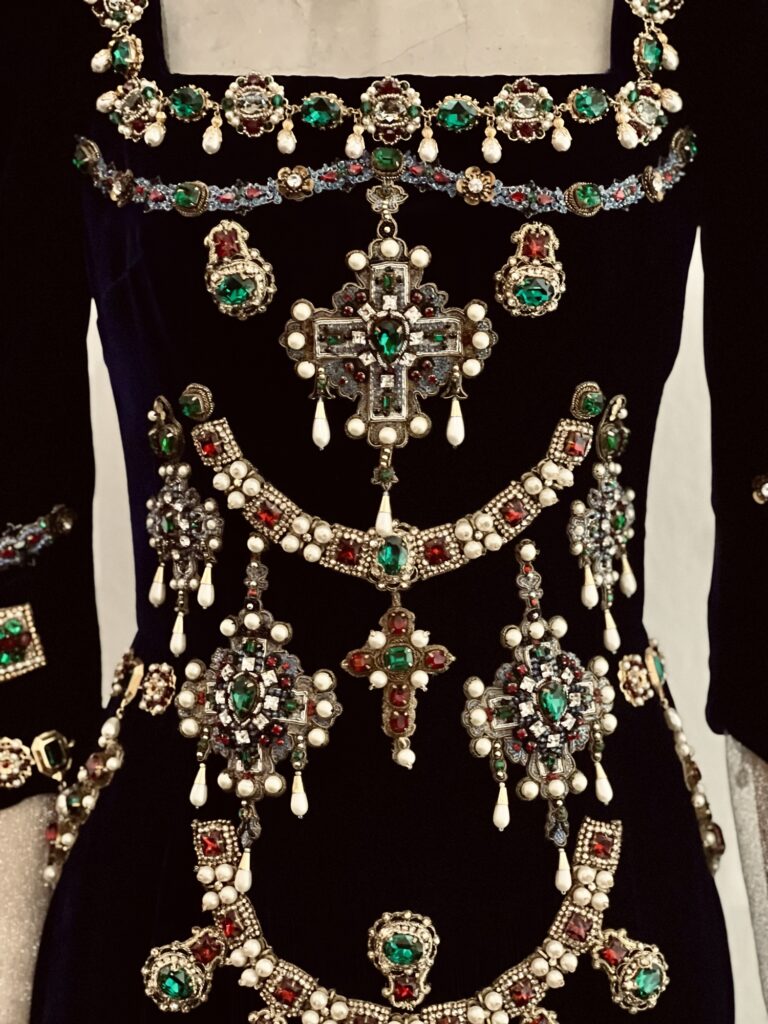
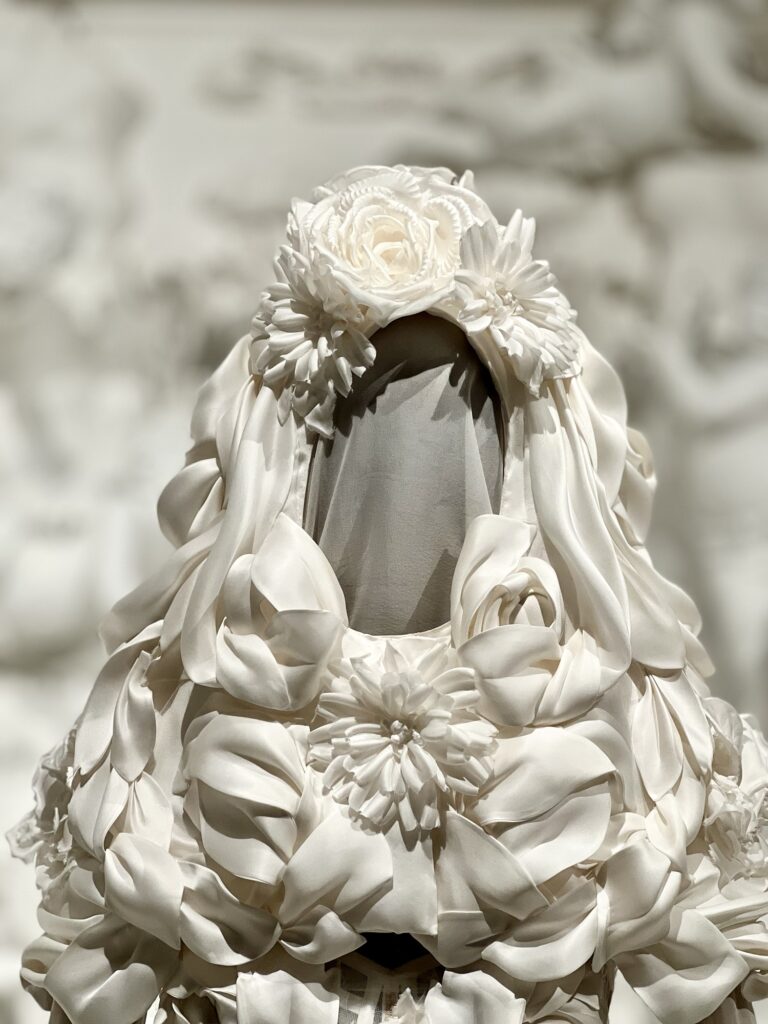
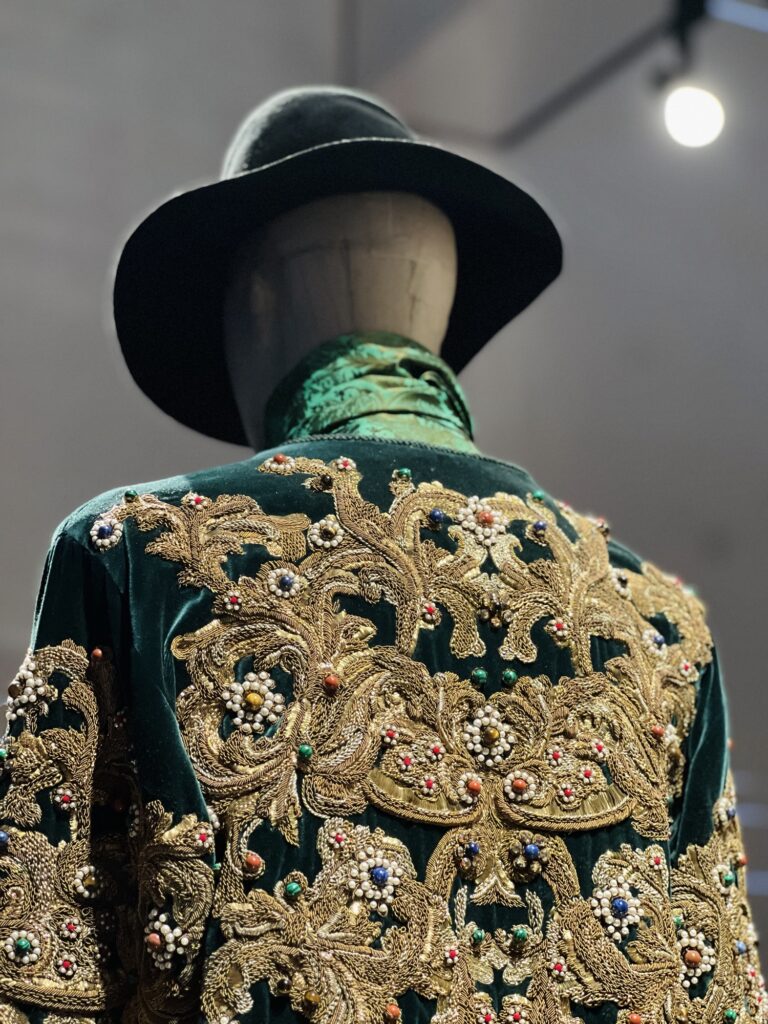
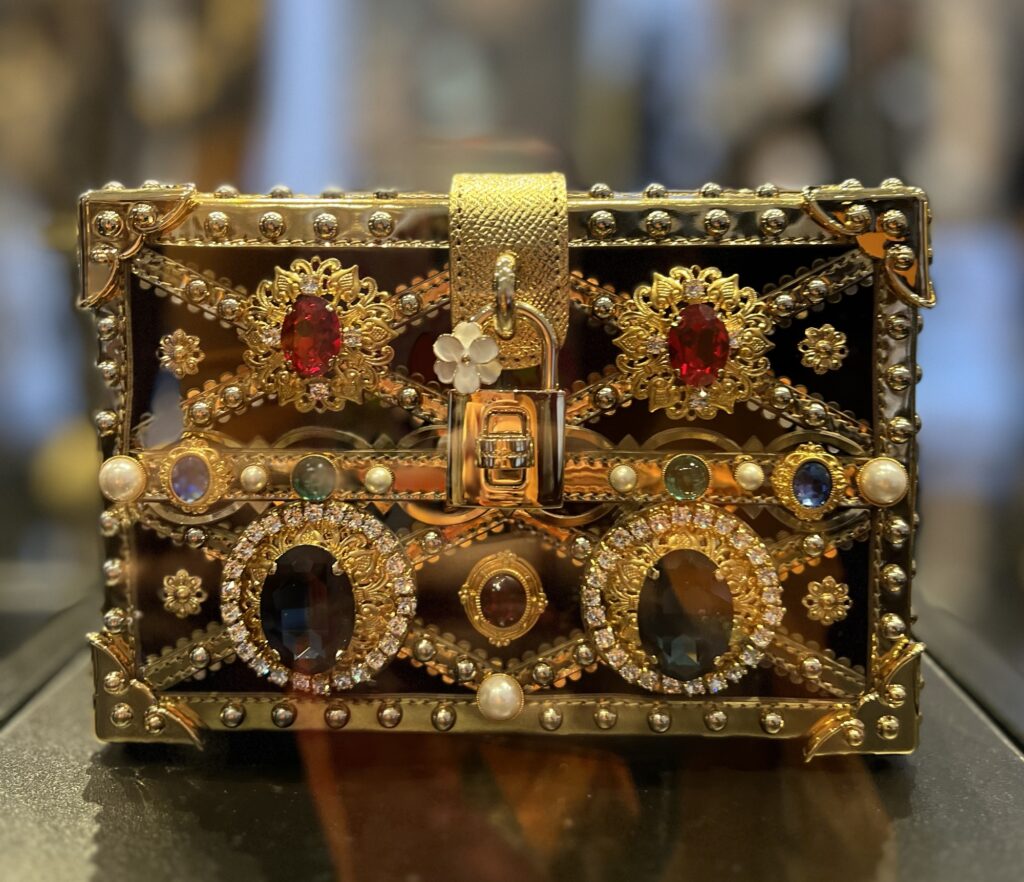
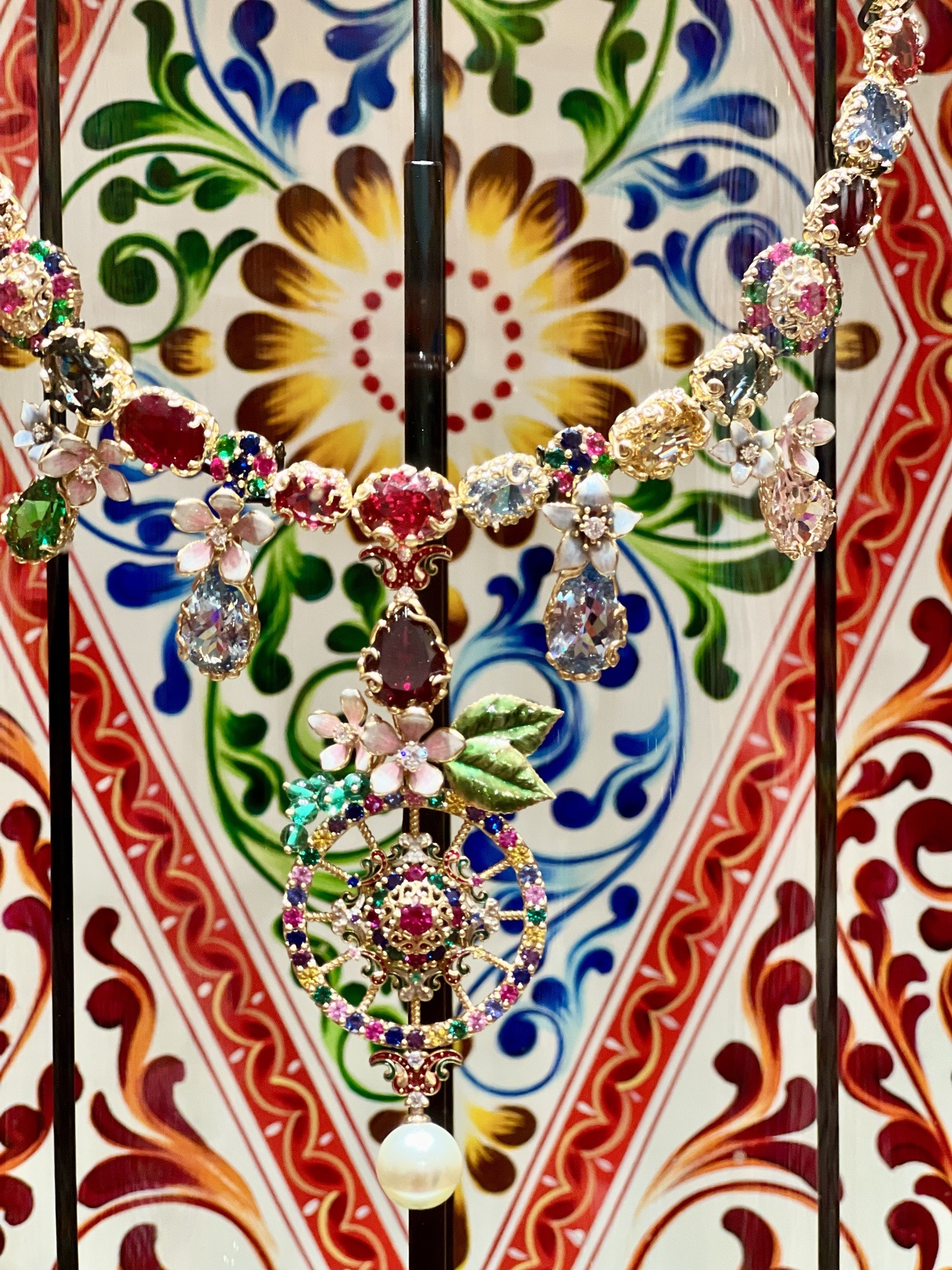
    If I had to pick my absolute favourites—though it’s nearly impossible because everything at the exhibit was mind-blowing—it would be these pieces. The level of detail that went into each creation was enough to make me fall in love instantly. These specific designs really stood out to me. I remember just standing there, completely mesmerized, admiring them from every angle. I found myself getting lost in every bead, every stitch, every bit of threadwork. The artistry was on a whole other level, leaving us in awe!


    Opulence in Detail

    The attention to detail in everything at the exhibit was absolutely mind-blowing! I was completely obsessed with how precise and intricate each piece was, from the clothes to the shoes and jewelry. I honestly could’ve stared at them for hours. It’s those tiny, thoughtful details that really impressed me and made me fall in love with the artistry behind each creation. The level of craftsmanship was just unreal, and it made me appreciate the hard work and creativity that goes into making these stunning pieces. I mean, the pictures don’t do justice to these creations. It was one of those things where you just had to be there to really feel the energy in the room. The atmosphere, the craftsmanship—it was unlike anything I’ve ever experienced before. You could sense the passion and artistry in every piece, and no photo could fully capture that.


    The Art Behind the Fashion

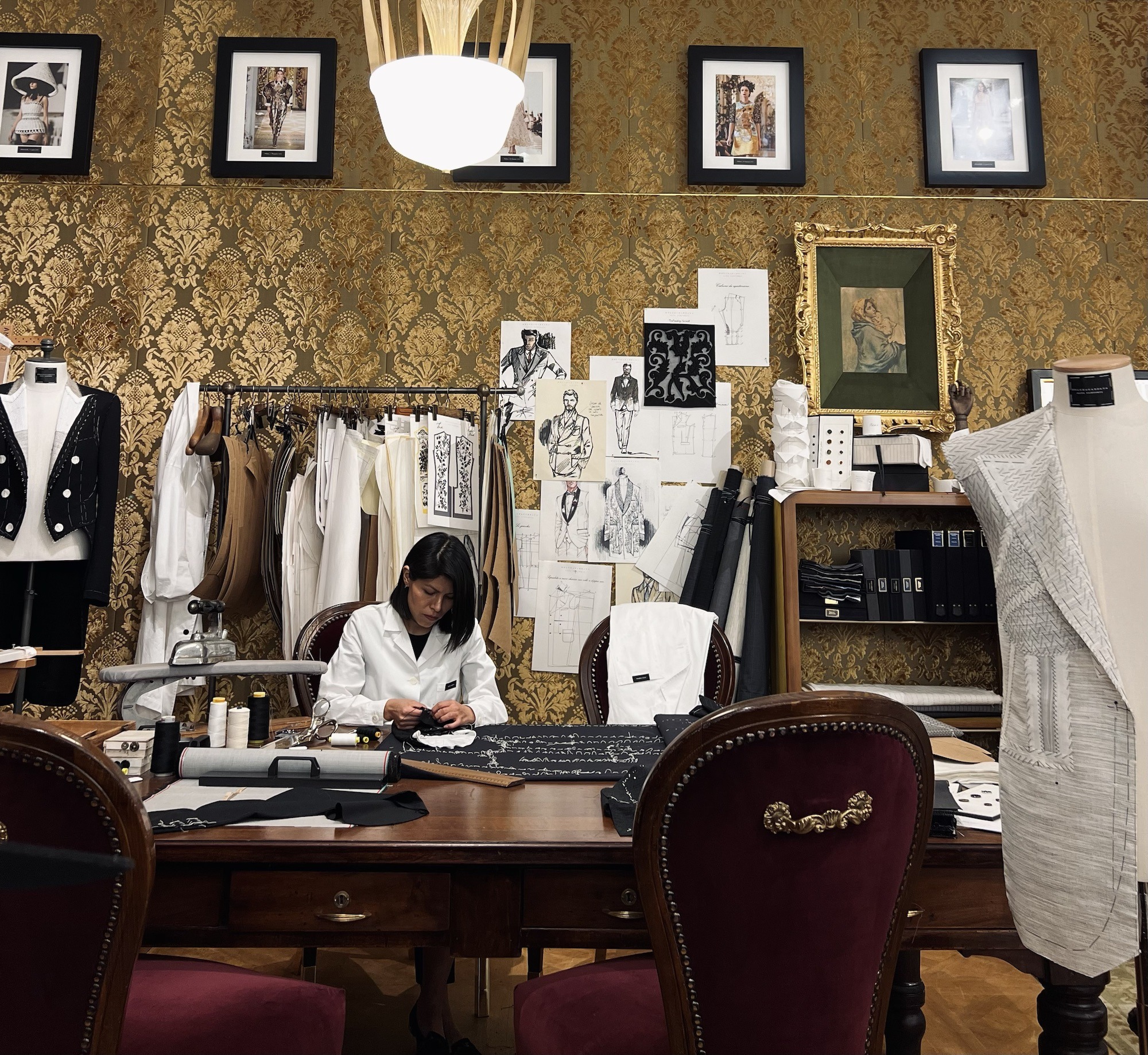
    One of the coolest parts of the exhibit was being able to actually see the seamstresses and artisans working in real-time, right there in front of us. They had this pop-up workshop where you could watch them bring the garments to life, like a behind-the-scenes glimpse into the fashion house’s creative process. It felt like stepping into their real studios, and I even got a few photos of them working on the pieces, which was amazing to see up close! It made me appreciate the craftsmanship on an entirely new level. I truly believe the seamstresses are the real heroes!!


    ………………………………………………………


    I left the Dolce & Gabbana exhibit with more than just admiration for beautiful clothes—I left with a deep respect for the artistry and creativity that goes into fashion. It’s no longer just about what we wear but about the stories we tell, the cultures we honour, and the emotions we express. That day at the exhibit opened my eyes in ways I’ll never forget.

    After the exhibit, my friend and I decided to grab some sushi, and we were still completely blown away by everything we had just seen. Neither of us had experienced anything like it before, and we both left inspired. We couldn’t stop talking about it over dinner, going on and on about the incredible designs, the craftsmanship, and how inspiring the whole day had been. It felt like we were on such a high from the experience!  It was just one of those days where everything felt so special—a day to remember.


    xo

    Yachna

    ……………………………………………


    Have you ever been to a fashion exhibit? What’s your favourite piece from the exhibit? Fashion lovers,  I’m curious—what piece would you spend hours staring at? Let me know in the comments, and let’s discuss the beauty of these creations together <3

  • Getting Over Romeo

    Getting Over Romeo


    I have always been a die-hard romantic. Growing up, I devoured romantic movies like candy. I remember crying ugly, messy tears while watching A Walk to Remember and The Notebook. Those passionate confessions of love under pouring rain were everything to me. And Romeo and Juliet? Their love story was the epitome of romance for my teenage self.

    As I started having crushes, I craved that all-consuming, fairytale love I saw in movies. But as I grew older and experienced my first heartbreak, the fantasy shattered.

    Suddenly, Romeo and Juliet wasn’t a romance—it was a tragedy about infatuated teenagers making terrible decisions. And don’t even get me started on romcoms. They’ve done more damage than good. One of the biggest lies they tell us is, “If he’s mean to you, it’s because he likes you.” That is the most toxic thing we can teach anyone. It sets girls up to tolerate poor treatment and tells boys it’s okay to be mean to girls.

    It’s no surprise that some of us end up in deeply unfulfilling relationships when we’re told that suffering is part of the deal. Somehow, we’ve accepted the belief that love must be intensely passionate, dramatic, and painful to be real. We’re constantly fed the fantasy that real love can magically fix everything. But in reality, relationships built on heightened emotions rarely stand the test of time.

    This weekend, as I sat in my room reflecting in my journal, I reread my thoughts: Why do we keep going back to people and relationships that bring us pain? Why do some of us keep ending up in unfulfilling relationships? Why do we hope against hope, even when it’s clear things aren’t going to change? Because we think love should be hard? We’ve been taught that suffering is a part of love. And that belief? It’s poison.
    We put all this effort into fixing things—sending another long text explaining our feelings, putting up with excuses, compromising time and time again—only to find ourselves back in the same place, asking for the same things a year later.

    Why don’t we cut our losses sooner? Why do we torture ourselves by staying in unfulfilling relationships? Why do we hope things will change when all the signs say otherwise? Why do we think one more apology will magically fix things? Why do we stay for the potential we see in someone rather than the reality they show us? How many times have you waited for that commitment that never came? It’s time to stop torturing yourself in the name of love.

    I recently watched Love You Zindagi, and Shah Rukh Khan’s character, Dr. Jehangir Khan, said something that hit me hard:

    “Sometimes we choose a difficult path only because we feel that to attain important things, we need to choose a difficult path. We think that it’s important to punish ourselves, but why can’t we choose a simple path? What’s wrong with that? Especially when we are not ready to face that difficult path.”

    This quote literally switched something within me. It’s so simple and yet so profound. We’ve been taught to glorify struggle as if it’s a badge of honour. Whether it’s a job, a relationship, or anything worth having in life, we think we need to suffer to prove our worth.

    I’ve stayed in relationships long past their expiration date. Looking back, I realized how much time I wasted trying to fix relationships that I knew weren’t right for me. If I could tell my younger self one thing, it would be this: you don’t have to settle for a love that hurts. Walk away when it’s not working—because the right love will never ask you to sacrifice your peace.

    No matter how rosy the beginning of the relationship was, it’s time to leave if it doesn’t fulfill you anymore. Most people don’t deserve a second chance, and some don’t even deserve the first.

    Love is not about intense burning desire or dramatic highs and lows. Neither should it send you to therapy. It’s about the everyday moments of calm and kindness. It’s about choosing to be with someone and finding comfort in consistency and predictability. But when we find someone like that, we freak out. We think it’s too easy and simple.

    So what do we do? We run back to the familiar pain of unfulfilling relationships because that’s all we’ve ever known. But why are we running away from something just because it’s not filled with drama and suffering?

    The only rule to live by when it comes to relationships is: are they kind to you? If they show promise but never deliver, it’s time to walk away. If they offer empty promises and apologies but never change, walk away. You don’t owe anyone suffering. Neither do you deserve it.

    Lastly, I am ending this post with something a dear friend once told me: “Love is supposed to strengthen you and build you, not break you into pieces.”


    xo

    Yachna


    Love should feel like peace, not pain. Drop a comment with one thing you’ll no longer tolerate in your relationships and let’s inspire each other to raise our standards.

  • Getting Over Girl Hate

    Getting Over Girl Hate


    Today, I want to talk about something that has been heavily on my mind and has repeatedly come up in my journal writing: Girl Hate.

    It all started when I first watched Cinderella as a little girl.

    In the movie, all the women are made to compete for the same prince, who can only pick ONE lucky girl. This leads to jealousy and resentment toward Cinderella by her “evil” stepsisters and stepmother.

    Even though I love Cinderella and many Disney movies, I noticed that pitting women against one another is a recurring theme in many movies and TV shows I loved watching as a teenage girl. From Cinderella to Mean Girls to Gossip Girl, the central theme of these stories was girl hate in the form of backstabbing, jealousy, and betrayal.

    As I was writing this blog, I couldn’t help but think about how deeply these narratives contribute to the ridiculous idea that there’s only room for ONE woman to succeed and have it all. We’re being taught to compete and tear each other down from a young age.

    Let’s not forget that the target audience for these movies is teenage girls. Now, imagine the impact of these subliminal messages on teenage girls who internalize them.

    And you know what’s the worst part? It doesn’t just end in the teenage years.

    The girl hate manifests itself into woman hate. I have seen this happen in my family and am not proud of it. But I also don’t want to be a 45-year-old woman hating on teenage girls or other women.

    I can’t help but wonder if this is a result of a subliminal patriarchy at work or a competition of our own making. What I do know is that we’re stronger when we support each other.

    So, let’s talk about how to get rid of jealousy and resentment toward each other.


    1) Try Girl Love

    Remember when Blair and Serena put aside their jealousy, resentment, and insecurities and became unstoppable together?

    Back in high school, I had a serious hatred for this girl I barely knew. We both didn’t like each other. It was so dramatic. Until one day, we bonded over a book. To this day, she’s one of my closest friends. The funniest part? I don’t even remember why I hated her so much. Her friendship and support are some of the best things I’ve experienced in life. Magic happens when women come together to love each other and celebrate the sisterhood.  

    Women have a fundamental responsibility to care for other women. When one of us says she’s struggling, we should offer support and kindness, not judgment.

    And, if a woman is confident and has high self-esteem does not mean she’s a bitch or a slut, or she’s better than you. She’s just confident in her skin. Last time I checked, being confident is not a crime. Personally, I  refuse to live in a world where any woman with a healthy self-esteem is labelled a whore. As quoted from the legendary masterpiece that is Mean Girls, “you all have got to stop calling each other sluts and whores. It just makes it okay for guys to call you sluts and whores.”


    2) Separate girl hate from real hate

    We should first look to our girl hate’s structural and social origins to push for some serious change. Instead of chastising every girl who might not be like you or, as seems to be the case more often, might be too much like you.

    Why are we jealous of girls who are more pretty, smart, or successful?  It’s time to break free from that toxic, loser mindset. If you see a girl trying to be the best version of herself,  don’t be bitter; get better.

    I’ve struggled with feelings of jealousy and resentment, too. Trust me, it’s a disease. Often, that girl we hate so much just reminds us of what we could be because she’s actively working on herself.

    I am unlearning the narrative that only ONE woman can have it all. There’s so much for all of us, so we don’t have to hate and compete with each other. I have realized that my jealousy and resentment came from my insecurities.

    So, I put all this jealousy energy into growing and improving myself.


    3) Realize it has nothing to do with her

    I remember when I was younger, I was obsessed with hating this girl because she “stole” my man from me. I’d stalk her Instagram and Facebook and point out her flaws to make myself feel better. Eww, disgusting, I know. Just thinking about it makes me want to throw up.

    When I took the time to reflect on my messy behaviour, I realized that I thought she was better than me because she was my ex’s next girlfriend. It was some major insecurity on my part. So, ladies, break this terrible habit of gossiping, judging, comparing, and being jealous.

    I know I sound like a broken record when I say that someone else’s success does NOT highlight a failure in you. Someone’s happiness does not have to cancel out your own. I want people to say, ‘I’m really happy for you,’ not to be polite but because they bloody well mean it. 

    And, if not for anyone else, do it for yourself because hating people is stressful, negativity is tiring, and causing drama is dumb.


    4) Lastly, the most important thing to keep in mind

    She’s probably feeling insecure as well. As much as I love being a woman, I cannot deny that it’s fucking exhausting to be a woman. Somedays, I am just so tired of being a woman. Just think about all the societal pressures, family expectations, and hormonal changes we have to put up with.

    I recently read somewhere that women only have one week during which they feel good about themselves and their bodies. Come to think of it, it’s true in dealing with PMS, menstruation, and other hormonal changes, we are really deep in the trenches.

    I  want to end the post with these beautiful words by Maya Angelou,

    “Each one of us  have lived through  some devastationsome loneliness, some weather superstorm or spiritual superstorm.  When we look  at each other we must say,  I understand.  I understand how you feel  because I have been there myself.  We must support  each other and empathize with each other  because each of us is more alike than we are unalike.


    ………………………………………………….


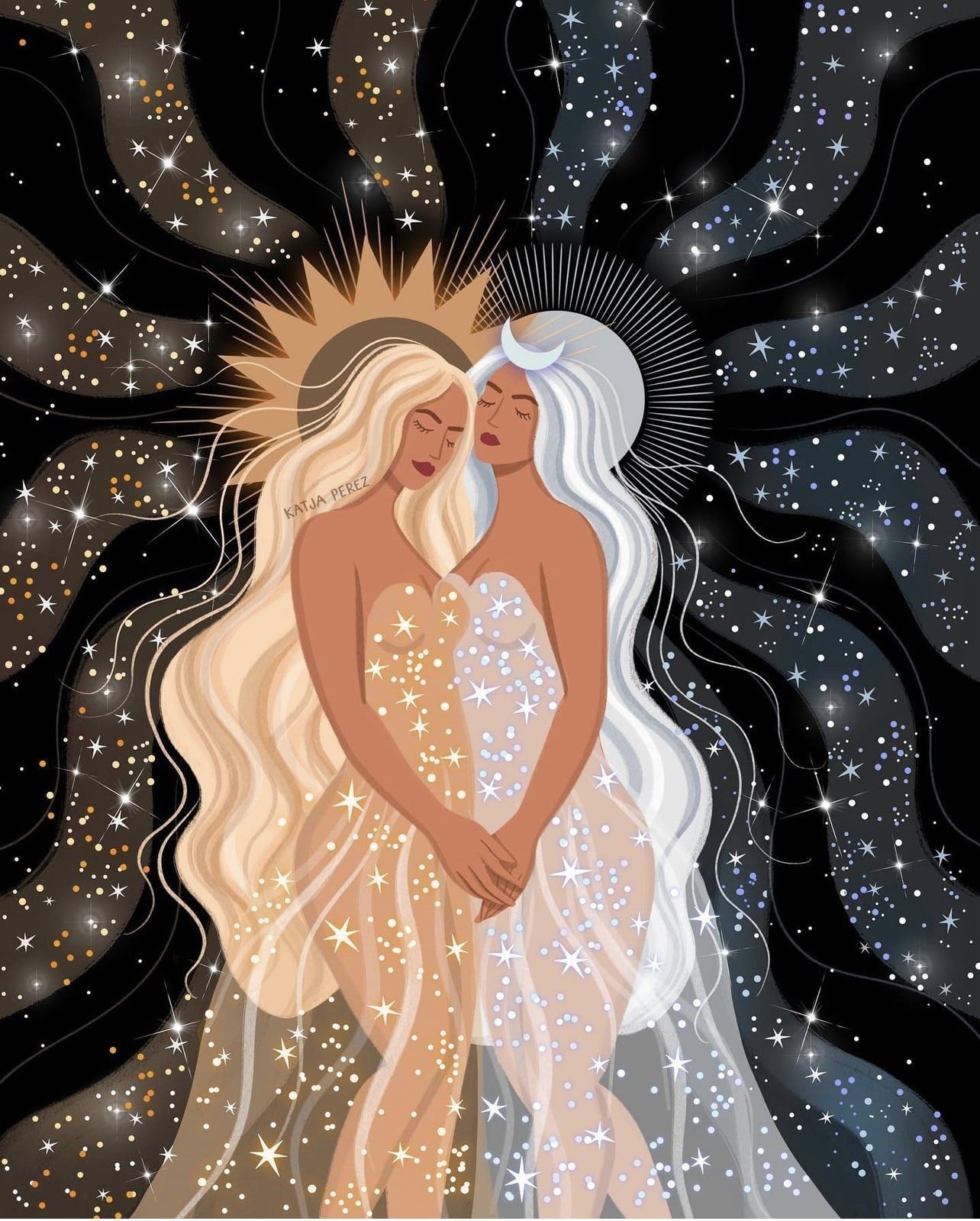
    Artwork by Katja Perez